As the digital world continues to expand, data centers have grown exponentially with it – supporting everything from cloud computing to artificial intelligence. However, this growth comes at a significant cost: energy consumption. Fortunately, things are becoming a little brighter, thanks to data center microgrid technology.
Data centers require ridiculous amounts of energy to operate, with global consumption expected to double in the next few years. In fact, according to this year’s IEA (International Energy Agency) Electricity 2024 Analysis and Forecast to 2026:
Electricity consumption from data centers, artificial intelligence (AI), and the cryptocurrency sector could double by 2026.
After globally consuming an estimated 460 terawatt-hours (TWh) in 2022, data centers’ total electricity consumption could reach more than 1,000 TWh in 2026.
This surge in power usage is putting immense pressure on traditional power grids, leading to concerns about reliability, efficiency, and environmental impact.
Amid these challenges, microgrids have emerged as a vital solution.
Key Takeaways
By the end of this article, you’ll know:
- How Microgrids are a solution to the rising energy demands of data centers.
- The numerous Benefits of microgrids.
- The challenges of utilizing microgrids in data centers.

What Are Microgrids?
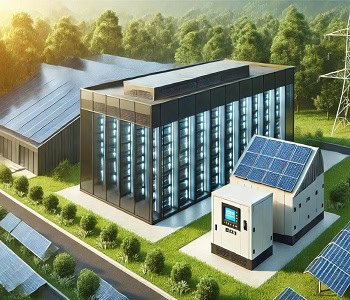
Unlike traditional power systems that depend on centralized grids, microgrids generate energy locally. That means data centers no longer have to tap into the country’s central power systems.
Data center microgrids are also greener and more sustainable. They can tap into renewable sources like wind and solar, offering flexibility and better resilience to meet the tech industry’s growing power needs.
As the world intensifies its efforts to reduce carbon footprints, the tech sector should play a leading role. The shift to microgrids is not only a solution to power challenges but a significant step toward aligning with today’s core environmental goals.
Rising Energy Demands in Data Centers
Data centers are now among the largest consumers of electricity. According to the International Energy Agency (IEA), data centers and data transmission networks accounted for 1-3% of the world’s electricity consumption in 2022 (global power consumption in 2022 is at 24,398 TWh). The strain on traditional power grids is already evident in areas where many data centers are established (Northern Virginia, California, etc.).
Let’s dissect this for a bit because 1-3% may not look much. To put things into perspective, consider the power consumption of an average U.S. household, which uses about 10,715 kWh per year. At the lower end of 243.98 TWh (1% of global consumption), this is equivalent to the annual electricity usage of over 22.7 million U.S. households. At the upper end of 731.94 TWh (3% of global consumption), it’s like powering 68.3 million households for a year.
Please keep in mind that South Korea used only 568 TWh in 2022. The data center industry is on par with advanced countries’ power consumption.

Utility companies are struggling to keep up, leading to delays in power distribution and concerns about grid stability. There are now more power interruptions not just in the data centers but also in cities and highly urbanized regions.
Rising energy demands have two impacts: they challenge the reliability of power grids and worsen environmental concerns. As data centers consume more power, their carbon footprint grows, intensifying the pressure to find sustainable energy solutions. Without addressing these challenges, the expansion of data centers could lead to more frequent outages and a larger environmental impact.
The Role of Microgrids in Data Centers
By incorporating energy storage systems, microgrids ensure that data centers have a continuous power supply, even when the grid is down. This resilience is vital for data centers to keep essential digital services running.
Real-World Data Center Microgrid Examples
One prominent example is Microsoft’s San Jose data center, which partnered with Enchanted Rock and U.S. Energy to implement a microgrid system using food waste gas. This setup ensures that the data center can maintain operations during grid outages.
Similarly, other companies are exploring data center microgrids as a solution to the growing energy demands of data centers. Startups like Donato Solar are focusing on powering new data centers in Illinois with solar energy.
These examples demonstrate that microgrids are not just a theoretical solution – leading tech companies are actively implementing them to ensure both operational continuity and environmental responsibility.
In fact, microgrids are not only utilized by data centers; almost every power-hungry facility can benefit from them. There are 692 microgrids in the U.S. alone, growing significantly every year.
Benefits of Data Center Microgrids
Immediate Resilience and Reliability
Microgrids empower data centers to function independently from the grid. That translates to continuous operations regardless of regional outages. Think of microgrids as colossal backup generators or smaller power plants. They keep things running, even in emergencies.
Increased Energy Efficiency
Microgrids reduce the energy losses that occur during long-distance transmission by generating electricity closer to where it’s used. Localized energy production makes data centers more efficient and lowers overall energy costs, especially when combined with advanced energy management systems.
Environmental Sustainability
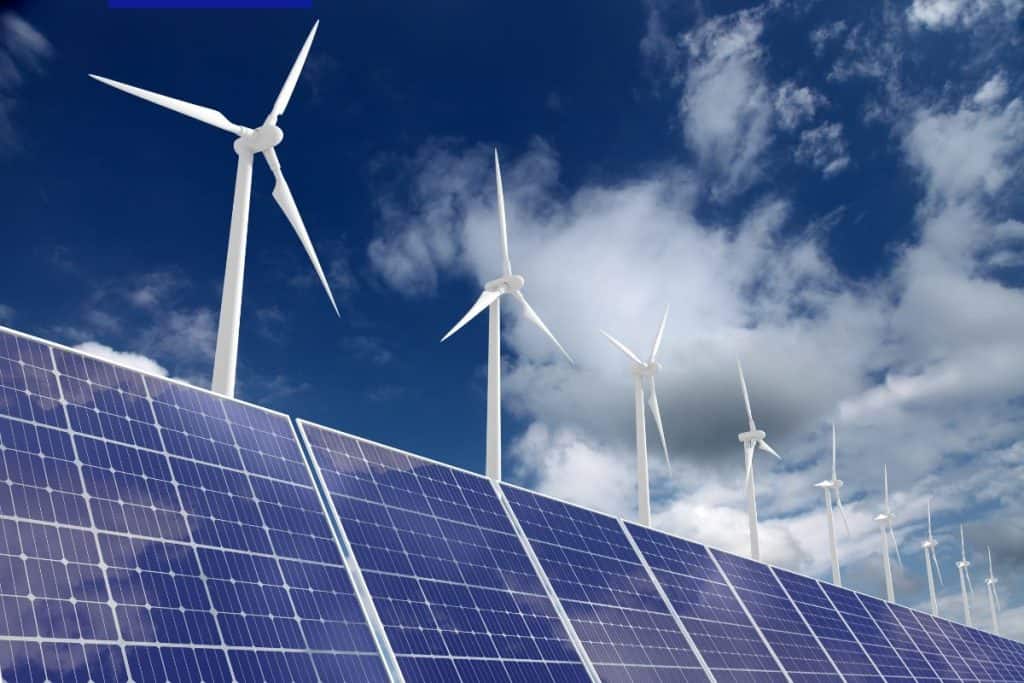
Microgrids enable data centers to integrate renewable energy sources. You can expect to see more solar and wind power being used. This reduces reliance on fossil fuels, significantly lowering the industry’s carbon footprint.
Cost Savings
While the initial investment in microgrid technology may be significant, the long-term cost savings can be substantial. Microgrids allow data centers to take advantage of lower energy prices during off-peak hours and utilize stored energy during peak demand periods. This reduces energy costs and provides a more stable and predictable energy budget.
Grid Support and Flexibility
Microgrids not only benefit the data centers but also the broader power grid. They can support the grid by providing ancillary services, such as frequency regulation and voltage support. Additionally, microgrids can participate in demand response programs, reducing the load on the grid during peak times and contributing to overall grid stability.
Energy Independence
For data centers located in remote or underserved areas where extending the traditional grid is impractical, microgrids offer a viable solution. They provide energy independence, ensuring that data centers can operate without relying on unstable external power sources.
Future-Proofing
As energy demands continue to rise, data center microgrids offer a scalable solution that can grow with the data center’s needs. By integrating new energy technologies and storage solutions, microgrids ensure that data centers remain adaptable to future energy challenges.
Microgrid for Data Centers – Why Isn’t Everyone Building It
Microgrids are fantastic and have a tangible impact on data centers’ general performance and operations. However, they’re not easy to deploy. They involve high initial setup and integration costs, the complexity of managing diverse energy sources, and the challenge of ensuring a consistent power supply from intermittent renewables like solar and wind.
Scaling microgrids to meet the ever-growing energy demands of data centers, especially in densely populated areas, can be difficult. Supply chain issues for necessary equipment and the need for advanced energy management systems to optimize efficiency and reliability further complicate the deployment of microgrids.
AnD Cable Products on Energy-Efficient and Quick-Deployment Solutions
As data centers look for ways to boost energy efficiency and speed up deployment of microgrids, AnD Cable Products also offers solutions that do a bit of the same thing for smaller facilities, organizations, and businesses that require their modular data centers or servers: Prefabricated Modular Data Centers.
We offer a range of high-performance IT cabinets and modular systems that help save energy and make setup quick and easy. Our Data Center in a Box, for example, uses intelligent natural air cooling to bring down power usage. It’s the perfect solution for Universities, Human Resource Management, Retail Businesses, and Hospitals.

The Future of Data Centers and Microgrids
The future of data centers hinges on the continued development and adoption of microgrids. As energy demands soar, traditional power grids will struggle to keep pace. Data center microgrids offer a sustainable solution by providing the flexibility, resilience, and local energy generation data centers require. With advancements in renewable energy integration and battery storage, microgrids will become increasingly vital in reducing the carbon footprint of these power-hungry facilities.
Collaboration between tech companies, energy providers, and policymakers will be key to overcoming the challenges of implementing data center microgrids at scale. As the tech industry prioritizes sustainability, microgrids will ensure data centers remain reliable, efficient, and aligned with environmental goals.
FAQs
What is a data center microgrid?
A data center microgrid is a localized energy system that can generate and manage its own power, reducing its reliance on the traditional, centralized power grid.
Why are data center microgrids becoming more important?
Global electricity consumption from data centers, AI, and cryptocurrency is projected to double by 2026. Microgrids offer a sustainable and resilient solution to this growing energy demand by providing local power generation and reducing pressure on the main grid.
What are the main benefits of using microgrids for data centers?
The key benefits include enhanced reliability, improved energy efficiency, long-term cost savings, and a lower carbon footprint through the integration of renewable energy sources like wind and solar.
What are the challenges in implementing data center microgrids?
The implementation of microgrids faces several challenges, such as high initial costs, the complexity of managing diverse energy sources, and difficulties in scaling the systems to meet large-scale needs.
What is the future outlook for data center microgrids?
The future of data centers is seen as being dependent on the continued adoption and development of microgrids. Successful, large-scale implementation will require collaboration among tech companies, energy providers, and policymakers.
About the Author
 Louis Chompff – Founder & Managing Director, AnD Cable Products
Louis established AnD Cable Products – Intelligently Designed Cable Management in 1989. Prior to this he enjoyed a 20+ year career with a leading global telecommunications company in a variety of senior data management positions. Louis is an enthusiastic inventor who designed, patented and brought to market his innovative Zero U cable management racks and Unitag cable labels, both of which have become industry-leading network cable management products. AnD Cable Products only offer products that are intelligently designed, increase efficiency, are durable and reliable, re-usable, easy to use or reduce equipment costs. He is the principal author of the Cable Management Blog, where you can find network cable management ideas, server rack cabling techniques and rack space saving tips, data center trends, latest innovations and more.
Visit https://andcable.com or shop online at https://andcable.com/shop/