Posted on

Optimizing NVIDIA AI Data Centers with Intelligent Cable Management Following New Reference Architectures

NVIDIA AI Data Centers using GPU - featured image

Have you heard about NVIDIA’s groundbreaking AI reference architectures, which are revolutionizing AI Data Centers? With their latest certified systems and blueprints, NVIDIA is making it easier than ever to deploy AI solutions at scale.

But here’s something that often flies under the radar: the critical role of cable management in these advanced data centers. Believe it or not, intelligent cable management can significantly enhance any NVIDIA AI data center’s performance, scalability, and reliability.

Let’s explore how.


Key Takeaways

By the end of this article, you’ll know:

  • The importance of Cable Management in High Performance Environments like NVIDIA AI Data Centers.
  • How AI reference architectures simplify deployment.
  • How intelligent solutions and best practices are key to mitigating risks.
NVIDIA AI Data Centers using GPU

NVIDIA’s New Reference Architectures: A Game Changer

Simplifying AI Deployments

NVIDIA has partnered with industry leaders like HPE, Dell, and Supermicro to offer optimized, certified AI systems.

These reference architectures (RAs) are designed to guide vendors in building systems that are not only powerful but also reliable and efficient.

NVIDIA ensures that the hardware and software components work seamlessly together by providing detailed blueprints and certification guidelines.

Scale-Up and Scale-Out Deployments

One of the standout features of NVIDIA’s RAs is their support for both scale-up and scale-out deployments:

  • Scale-Up Deployments: Utilize NVLink connections to create high-bandwidth, multi-node GPU clusters. This approach effectively turns multiple GPUs into a single, massive computational unit, ideal for intensive AI workloads.
  • Scale-Out Deployments: Leverage optimized PCIe connections to build larger clusters that can scale from four to 96 nodes or more. This model distributes workloads across multiple servers, each possibly with different optimization levels.

Benefits for Businesses

By adopting these RAs and certified systems, businesses can expect:

  • Improved Performance: Optimized hardware configurations ensure maximum computational efficiency.
  • More Accessible Support and Maintenance: Standardized systems simplify troubleshooting and upgrades.
  • Reduced Complexity: Detailed guidelines eliminate guesswork in system design.
  • Faster Time to Market: Accelerated deployment schedules help businesses stay competitive.
  • Lower Costs: Efficient designs reduce total cost of ownership (TCO) over the system’s lifespan.

The Cable Management Connection

Active Optical Cables (AOC) set

Why Cable Management is Crucial

In high-performance environments like NVIDIA AI data centers, cable management isn’t just about aesthetics—it’s a functional necessity. Proper cable management impacts:

  • Data Flow and Latency: Well-organized cables reduce interference and signal degradation, ensuring faster data transmission.
  • Cooling Efficiency: Neat cabling improves airflow, preventing hotspots and reducing cooling costs.
  • System Reliability: Organized cables minimize the risk of accidental disconnections and make it easier to identify and replace faulty components.

Supporting Advanced Technologies

NVIDIA’s architectures include advanced components like Spectrum-X networking and BlueField Data Processing Units (DPUs). These technologies require intricate cabling setups to function optimally. Effective cable management ensures that these components perform at their best, offering maximum throughput and minimal latency.

Challenges in NVIDIA AI Data Centers

High-Density GPU Deployments

With the increasing density of GPUs in modern servers, the number of cables needed for power, data, and networking grows exponentially. Managing this web of network cables and power cables becomes a significant challenge that can impact performance and maintenance.

Complex Networking Requirements

Advanced networking technologies like NVIDIA’s Spectrum-X Ethernet require precise cabling configurations to achieve optimal performance. Mismanaged cables can lead to network bottlenecks and increased latency.

Scalability Issues

As data centers grow, the complexity of the cabling infrastructure can become a limiting factor. Without a scalable cable management solution, expanding your data center can lead to increased downtime and operational costs.

Maintenance and Downtime Risks

Disorganized cables make performing routine maintenance or troubleshooting issues difficult, leading to longer downtimes. In environments where uptime is critical, this can have significant financial implications.

Intelligent Cable Management Solutions from AnD Cable Products

Who We Are

At AnD Cable Products, we specialize in providing intelligent cable management solutions tailored for high-performance data centers like those built on NVIDIA’s architectures. Our products are designed to meet the specific needs of modern, scalable, and efficient data centers.

Custom Solutions for NVIDIA Systems

We understand that NVIDIA’s reference architectures have unique requirements. That’s why we offer:

  • Custom Cable Assemblies: Designed to fit perfectly with NVIDIA’s hardware configurations, reducing clutter and improving performance.
  • Durable Proprietary Products: Our proprietary products are made with 16- or 18-gauge cold rolled steel and guaranteed to last.
  • Space-Saving Designs: Our cable management products – specifically our Zero U Cable Managers – help optimize server rack space, allowing for more hardware within the same footprint.
Horizontal Zero U Cable Manager for NVIDIA AI data centers

Benefits of Our Solutions

  • Improved Airflow and Cooling: Our solutions help maintain optimal temperatures, enhancing hardware longevity.
  • Simplified Maintenance: Easy-to-manage cables reduce downtime during upgrades or repairs.
  • Cost Efficiency: By optimizing space and reducing energy costs, our solutions contribute to a lower TCO.

Best Practices Aligned with NVIDIA’s Reference Architectures

Planning Your Cable Infrastructure

Aligning your cable management plan with NVIDIA’s RAs is crucial. Early planning helps in:

  • Identifying Cable Pathways: Determine the optimal cable routes to minimize length and interference.
  • Allocating Space: Ensure enough room for future expansions without overcrowding.
  • Compliance with Standards: Meet industry standards for safety and performance.

Using High-Quality Materials

Invest in quality materials like:

Modular and Scalable Designs

Implementing modular designs allows for:

  • Easy Upgrades: Add or replace components without overhauling the entire system.
  • Flexibility: Adapt to changing technologies and requirements.
  • Cost Savings: Reduce the need for expensive redesigns in the future.

Regular Maintenance and Audits

  • Routine Checks: Regularly inspect cables for wear and tear.
  • Documentation: Keep detailed records of cable layouts and configurations.
  • Training: Ensure your team is knowledgeable about best practices.

Future-Proofing with Intelligent Cable Management

Staying Ahead of Technological Advancements

NVIDIA continues to innovate with new hardware and software solutions. By investing in intelligent cable management now, you’re better prepared to integrate future technologies seamlessly.

Reducing Total Cost of Ownership

Efficient cable management contributes to:

  • Energy Savings: Improved airflow reduces cooling costs.
  • Hardware Longevity: Optimal operating temperatures extend the life of your equipment.
  • Operational Efficiency: Reduced downtime and maintenance costs.

Mitigating Risks

  • Reduced Error Rates: Organized cables lower the chance of human error during maintenance.
  • Enhanced Security: Proper cable management can help in quickly isolating and addressing security threats.
  • Compliance: Meeting industry regulations and standards becomes more straightforward.

Partnering with Experts

You’re not in this alone. Collaborating with experts like AnD Cable Products ensures that your data center is optimized for both current and future needs.

Optimize With AnD Cable Products Today

Bringing it all together, effective cable management is the unsung hero in unlocking the full potential of NVIDIA’s AI data centers. It enhances performance, ensures scalability, and contributes to overall operational excellence. Consider looking closely at how your current setup aligns with NVIDIA’s reference architectures and where improvements can be made.

Ready to optimize your NVIDIA AI data center? Let’s collaborate to design a cable management solution that meets your unique needs and will set you up for long-term success.

FAQs

What are NVIDIA’s new reference architectures?

NVIDIA’s new reference architectures are blueprints and certified systems that simplify the deployment of AI solutions at scale. They provide detailed guidelines and configurations for hardware and software to ensure seamless performance.

What is the role of intelligent cable management in NVIDIA AI data centers?

Intelligent cable management is crucial for unlocking the full potential of NVIDIA’s AI data centers. It enhances performance, ensures scalability, and contributes to overall operational excellence.

How does proper cable management improve data center performance?

Well-organized cables reduce interference and signal degradation, which ensures faster data transmission. This is particularly important for high-speed components like NVIDIA’s Spectrum-X networking and BlueField Data Processing Units (DPUs).

What are the benefits of intelligent cable management for cooling and energy efficiency?

Neat cabling improves airflow within server racks, preventing hotspots and reducing cooling costs. This contributes to lower total cost of ownership (TCO) and can lead to energy savings.

How does intelligent cable management from AnD Cable Products help?

AnD Cable Products offers solutions like Zero U Cable Managers that optimize server rack space, simplify maintenance, and improve airflow. These products help maintain optimal temperatures, extend hardware longevity, and reduce downtime.

About the Author – John Lester

John Lester - General Manager, AnD Cable Products

John Lester, General Manager at AnD Cable Products, brings a rich tapestry of IT and project management experience to the forefront of cable management solutions for data centers. His career, spanning over three decades, includes significant roles in IT project management and consultation with renowned companies. John served in the Marine Corps during Desert Storm. John’s journey in the tech world is further distinguished by his proficiency in advanced programming and systems expertise. 

His leadership at AnD Cable Products encapsulates a blend of innovation, strategic planning, and a relentless commitment to delivering excellence in the field of data center infrastructure.  John was with AnD Cable Products when Louis was designing his innovative Zero U cable management racks and Unitag cable labels, both of which have become industry-leading network cable management products. AnD Cable Products only offer products that are intelligently designed, increase efficiency, are durable and reliable, re-usable, easy to use or reduce equipment costs. He is the co-author of the Cable Management Blog, where you can find network cable management ideas, server rack cabling techniques and rack space saving tips, data center trends, latest innovations and more. Visit https://andcable.com or shop online at https://andcable.com/shop/

Posted on

Data Center Outage: Common Causes and Proven Prevention Methods

Data center outage - common causes and prevention - featured image

When data center outages happen, it’s always a nightmare for operators. Not only does it possibly mean losing thousands of dollars for businesses (possibly millions for giant tech companies), but it could also mean hardware failure, translating to additional expense and resources! 

Understanding why your data center experiences outages is the first step to preventing them. In this article, we’ll discuss typical data center outage causes and some proven approaches to minimize or eliminate them completely.


Key Takeaways

By the end of this article, you’ll know:

  • How outage causes are varied and interconnected.
  • How redundancy is critical for resilience.
  • How proactive prevention is more effective than reactive fixes.
Data center outage - common causes and prevention

Common Causes of Data Center Outages

Data center outages are, unfortunately, widespread. Almost one-third of data center operators reported having experienced an IT downtime incident or severe service degradation in their first year of operations. Here are the most common culprits:

Power Failures

Power outages in data centers are one of the top reasons data centers fail. Whether it’s a utility outage or a problem with backup generators, losing power can halt operations instantly.

According to a research report 2018 by the Uptime Institute, power failures account for 36% of the biggest global public service outages. This statistic is further reinforced by their new survey in 2023, stating that over 55% of operators have experienced a data center outage in the last three years. 

Human Error

Mistakes happen. Maybe someone accidentally unplugs a network cable or power cable or misconfigures a system. Human errors account for a significant portion of data center outages.

In Uptime Institute’s 2023 Outage Analysis, human errors contribute to two-thirds to four-fifths of all incidents. Data center technicians failing to follow procedures, faulty procedures created by managers and engineers, and other human-related errors are highlighted as major contributors. 

Network Issues

Network glitches, like faulty switches or routers, can instantly disconnect your data center from the world. Even the most powerful servers can’t do their job without network access.

Configuration and change management failures and issues with third-party network providers are some of the most frequent causes of network-related outages. Modern networking environments’ increasing complexity and dynamic nature are seen as contributing factors to these failures.

Network hardware and software upgrades are another common issue relating to network systems in data centers. These often lead to incompatibility issues when installed or misconfigured. 

Software/Cybersecurity Attacks

There’s a thin line between network and general software, but when we say software, it’s about programs or systems that run the operations in general – disregarding hardware. 

Software errors can be caused by bugs, misconfigurations, or human error. IT/software issues account for about 20 percent of major public outages. Hackers can also bring down data centers with DDoS attacks or malware. A security breach can not only cause downtime but also compromise sensitive data.

Poor Cable Management Leading to Heat Build-Up – Cooling Issues

It might not seem like a big deal, but messy cables can block airflow. This leads to heat build-up, which stresses equipment and increases the risk of failure.

When the devices and equipment are left to endure high heat levels, they become more prone to failure. They may work fine for the first few months, but eventually, some will fail. This leads to unnecessary outages. In fact, up to 13 percent of all data center outages are due to cooling issues.

Messy cable management leading to data center outage

How to Prevent Unplanned Data Center Outages

Here are the most effective solutions to preventing data center outages. They may seem costly and require considerable resources to implement, but rest assured, they’re an investment that pays off. 

Power Outage Prevention

Invest in redundant power infrastructure, including uninterruptible power supply (UPS) systems and backup generators, to ensure continuous power availability even during utility failures or equipment malfunctions.

Once power backups are in place, managers and engineers should implement a rigorous maintenance schedule for all power infrastructure components, including batteries, generators, and transfer switches. Regular testing ensures that these systems will function as intended when needed.

Continuously monitor power systems for any anomalies or potential issues. Implementing monitoring systems with early warning capabilities can help prevent outages by enabling timely intervention.

If your organization has the means, one of the most powerful solutions to power outages in data centers is to invest in a data center microgrid. 

Human Error Prevention

Establish clear, well-documented processes and procedures for all data center operations. This includes detailed instructions for routine tasks, incident response protocols, and emergency procedures. Use simple and concise language to ensure everyone understands your standard operating procedures (SOPs).

Invest in comprehensive training programs to ensure your data center staff are well-versed in operational procedures and safety protocols. Regular training updates and refresher courses can help maintain staff competency and awareness.

Foster a culture of accountability within the data center team. Encouraging staff to report errors and near misses without fear of reprisal can help identify areas for improvement and prevent future incidents.

Preventing outage in a data center through staff training

Network Failure Prevention

Employ redundant network components, such as routers, switches, and network connections, to ensure network availability even if a single point of failure occurs. Diverse routing paths and multiple network providers can further enhance resilience.

Implement stringent change management processes for all network configurations and updates. Testing changes in a controlled environment before deployment can help prevent configuration errors and minimize the risk of outages.

Enforce robust security measures to protect network infrastructure from cyberattacks. This includes firewalls, intrusion detection systems, and regular security audits to identify and address vulnerabilities. 

On the physical side, your data center should also implement Physical Layer Environment Network Security Monitoring and Control. This offers complete visibility, network security, and control of your physical layer environment. 

IT System and Software Error Prevention

Conduct thorough testing of all software and IT system changes before implementation. This includes testing in staging environments that closely mirror the production environment to identify and resolve potential issues before they affect live systems.

Implement rigorous change management practices for all IT systems and software deployments. Documenting changes, using version control systems, and establishing rollback procedures can help mitigate the risks associated with software updates and configuration changes.

Never skimp on security measures to protect IT systems and software from vulnerabilities and cyberattacks. Regularly patch systems, use strong passwords and employ access controls to minimize security risks.

Prevent Cooling Issues With Proper Cable Management

You might underestimate the importance of good cable management, but it’s crucial for preventing heat-related outages. Properly managed cables allow for better airflow, keeping equipment cool and functioning optimally.

Our intelligently designed cable management racks are superior to traditional cable managers. In this video, we showcase how we unlock both optimal airflow and high-density configurations simultaneously. 

Taking Action Now Is the Ultimate Data Center Outages Prevention

Don’t wait for disaster to strike. Take proactive steps to prevent data center outages. A well-maintained and properly designed facility is your first line of defense.

And when it comes to cable management, consider AnD Cable Products. Our data center rack management solutions can help you optimize airflow, reduce clutter, and prevent heat-related outages.

By addressing these common causes and implementing proven prevention methods, you can significantly reduce the risk of data center outages and ensure the continued operation of your critical business systems.

FAQs

What are the main causes of data center outages?

–Power Failures: Power outages are a significant cause, with many operators experiencing them.

–Human Error: This accounts for a large percentage of incidents, often due to a lack of clear procedures or insufficient training.

–Network Issues: Glitches or failures in the network can lead to downtime.

–Software and Cybersecurity Attacks: Bugs in software or cyberattacks like DDoS attacks can cause major disruptions.

–Poor Cable Management: This can lead to overheating, which stresses equipment and contributes to outages.

How can power failures be prevented?

To prevent power-related outages, it is crucial to invest in redundant power infrastructure, such as Uninterruptible Power Supply (UPS) systems and backup generators. Regular maintenance and monitoring of these systems are also essential.

How can human error be reduced in a data center?

-Establishing clear, well-documented procedures.

-Providing comprehensive staff training.

-Fostering a culture of accountability among employees.

What are the best practices to prevent network-related issues?

-Using redundant network components.

-Implementing strict change management processes.

-Utilizing robust security measures.

How can proper cable management help prevent outages?

Proper cable management ensures optimal airflow within the data center, which helps to keep equipment cool. This prevents overheating, a common issue that can lead to hardware stress and failure.

About the Author

Louis Chompff - Founder, AnD Cable Products, Rack and Cable ManagementLouis Chompff – Founder & Managing Director, AnD Cable Products
Louis established AnD Cable Products – Intelligently Designed Cable Management in 1989. Prior to this he enjoyed a 20+ year career with a leading global telecommunications company in a variety of senior data management positions. Louis is an enthusiastic inventor who designed, patented and brought to market his innovative Zero U cable management racks and Unitag cable labels, both of which have become industry-leading network cable management products. AnD Cable Products only offer products that are intelligently designed, increase efficiency, are durable and reliable, re-usable, easy to use or reduce equipment costs. He is the principal author of the Cable Management Blog, where you can find network cable management ideas, server rack cabling techniques and rack space saving tips, data center trends, latest innovations and more.
Visit https://andcable.com or shop online at https://andcable.com/shop/

Posted on

Green Data Centers: How Sustainable Cable Management is Reducing Environmental Impact

Green data centers for greener operations featured image

Innovation is a double-edged sword: it brings conveniences, elevates our quality of life, and unlocks new frontiers (AI being a prime example). Yet, it can also wreak havoc on our environment. And let’s face it — technology’s appetite for energy is a concern we should all take seriously. That’s why the demand for sustainability is soaring, paving the way for “Green Data Centers” to enter the spotlight.

Green data centers are crucial in reducing carbon footprints, enabling businesses to achieve their sustainability goals while managing vast amounts of data. Let’s explore how green data centers operate and how sustainable cable management is one key to minimizing environmental impact.


Key Takeaways

By the end of this article, you’ll know:

  • Why effective cable management is crucial for optimizing airflow within a data center.
  • What cable management strategies to use to maximize space utilization.
  • How structured cable management enhances a data center’s operational integrity.
Green data centers for greener operations

Sustainable Cable Management’s Role

Within this context, one often overlooked but crucial aspect is cable management. How cables are organized, managed, and maintained will always impact a data center’s sustainability. Efficient cable management reduces energy consumption, minimizes waste, and enhances the lifespan of infrastructure. In essence, the better you optimize your cable management, the greener and more sustainable the operation.

The Environmental Impact of Traditional Data Centers

Energy Consumption and Carbon Footprint

Traditional data centers are infamous for their voracious energy consumption. In fact, alarming projections indicate that by 2026, the energy use by data centers powering AI and crypto operations could double! With servers humming around the clock, cooling systems straining to keep up, and a constant drain on the power grid, these facilities leave a hefty carbon footprint.

Globally, data centers consumed a staggering 460 terawatt-hours (TWh) in 2022, and this figure could surge past 1,000 TWh by 2026. Such inefficient energy use not only inflates operational expenses but also fuels greenhouse gas emissions, casting a dark shadow over traditional data centers due to their environmental impact.

Waste and Resource Utilization

Outdated or poorly managed cabling systems can generate considerable waste. It often leads to unnecessary environmental degradation, from using non-recyclable materials to the excessive consumption of resources during installation and maintenance. 

The cluttered and disorganized cabling also poses risks of overheating and inefficiency, further exacerbating the energy challenges of traditional data centers.

Here’s an actual scenario in a data center with poor cable management:

System integrators deliver freshly equipped server cabinets to new data centers. Unfortunately, operators often neglect proper cable management, overlooking cable managers and labels. Within months, inevitable system crashes and outages occur. Technicians are then confronted with a nightmare of tangled, unlabeled cables; making troubleshooting a frustrating and time-consuming ordeal.

Management is forced to take action, reworking the entire infrastructure to incorporate cable managers and implement proper labeling. This overhaul often involves discarding a significant quantity of existing cables and procuring new ones of the correct length to fit the newly installed cable managers. This not only leads to unnecessary waste but also disrupts operations and incurs additional costs.

The data center’s unnecessary rework and additional expense could have been easily avoided if the operators had optimized during deployment.

What Makes a Data Center Green

Key Characteristics of Green Data Centers

Green data centers are designed to mitigate these environmental impacts. They prioritize energy efficiency through microgrids, often integrating renewable energy sources like solar or wind power to reduce reliance on fossil fuels. 

These facilities also focus on waste reduction through optimized layouts, efficient cooling innovations, and energy-efficient hardware — such as using intelligently designed cable managers that encourage full use of server cabinets. 

The result is a data center that not only meets operational needs but also aligns with the broader goal of environmental sustainability.

Sustainable Cable Management Defined

Sustainable cable management is a key component of this green approach. It involves using eco-friendly materials, such as recyclable or biodegradable cables and trays, along with designs that maximize efficiency and minimize waste. 

Sustainable cable management ensures that cables are organized in a way that supports optimal airflow, reduces energy consumption, and allows for easy maintenance and scalability, aligning perfectly with the overarching objectives of green data centers.

At AnD Cable Products, we offer a variety of Zero U Shelves and Cable Managers with an UNLIMITED Lifetime Warranty. They are incredibly durable and future-proof, reducing waste due to wear and tear or being outdated by newer designs.

Sustainable Hero U Rack Organizer with features

The Benefits of Sustainable Cable Management in Green Data Centers

Energy Efficiency and Cooling Optimization

One of the most significant benefits of sustainable cable management is its impact on energy efficiency. Well-organized cables improve airflow within data centers, reducing the strain on cooling systems and subsequently lowering energy consumption. 

This optimized cooling not only extends the life of the hardware but also decreases the overall carbon footprint of the facility. In essence, reduced use of cooling systems required means less energy. 

Material Efficiency and Waste Reduction

Sustainable cable management also emphasizes the use of recyclable and durable materials. By choosing eco-friendly options, data centers can significantly reduce waste during installation and throughout the lifecycle of the cables. 

This approach also simplifies maintenance, as durable materials tend to have longer lifespans, requiring less frequent replacements and generating less waste over time.

Lifecycle Benefits

Sustainable cable management also emphasizes the use of recyclable and durable materials. By choosing eco-friendly options, data centers can significantly reduce waste during installation and throughout the lifecycle of the cables. 

This approach also simplifies maintenance, as durable materials tend to have longer lifespans, requiring less frequent replacements and generating less waste over time. High-quality power cables can last up to 30 years, while high-quality network cables can last up to 10 years. Cheaper, lower-quality ones are not only hazardous but can also decrease  the lifespans of their counterparts by up to half.

Network and power cables in assorted colors

How to Implement Sustainable Cable Management in Your Data Center

Planning and Design

The first step in implementing sustainable cable management is to incorporate it into the design phase of your data center. This means considering cable management as a critical component of your sustainability plan alongside energy-efficient hardware and cooling systems. 

Collaboration between IT and facilities management teams is essential to ensure that the cabling infrastructure supports the overall environmental goals of the data center. Remember, many unnecessary or avoidable expenses happen when you cut corners during the planning stage.

For more information on planning and design, please read our white paper on Effective Cable Management Planning In Modern Data Center Architecture.

Material Selection

When selecting materials for cables, trays, and other management tools, prioritize eco-friendly options. Look for products made from recyclable or biodegradable materials that are also durable enough to withstand the demands of a data center environment. Choosing products designed with sustainability in mind, such as those offered by AnD Cable Products, can make a significant difference in reducing your environmental impact.

Installation and Maintenance

When selecting materials for cables, trays, and other management tools, prioritize eco-friendly options or high-quality, long-lasting ones. Look for products made from recyclable or biodegradable materials that are also durable enough to withstand the demands of a data center environment.

Choosing products designed with sustainability in mind, such as those offered by AnD Cable Products, can make a significant difference in reducing your environmental impact.

The Future of Green Data Centers

As the demand for sustainable practices grows, green data centers will play an increasingly vital role in the tech industry. Sustainable cable management is a critical element in achieving these greener operations, offering both environmental and operational benefits. 

By adopting forward-thinking practices, companies can drive environmental responsibility while enhancing the efficiency and reliability of their data centers.

FAQs

What is a green data center?

A green data center is a facility that prioritizes energy efficiency and environmental responsibility. They utilize technologies and practices such as microgrids, renewable energy sources, and optimized layouts to minimize their environmental footprint.

Why is sustainable cable management important for green data centers?

Sustainable cable management is a key component of a green data center. It involves using eco-friendly materials and designs to improve efficiency, reduce waste, and minimize environmental impact. Proper cable management improves airflow, which reduces the strain on cooling systems, and also extends the life of hardware.

What are the problems with traditional data centers?

Traditional data centers are known for their high energy consumption and significant carbon footprint. They are often inefficient, and poorly managed cabling can lead to wasted energy, increased costs, and operational disruptions.

How does sustainable cable management reduce energy consumption?

By improving airflow within the data center, sustainable cable management reduces the need for extensive cooling. This leads to a significant decrease in energy consumption, as cooling systems are a major source of power usage in data centers.

What are the key benefits of using durable, high-quality materials in cable management?

Using durable, high-quality materials for cables and management tools extends their lifespan, which reduces the need for frequent replacements. This, in turn, minimizes waste and lowers operational costs over time.

About the Author – John Lester

John Lester - General Manager, AnD Cable Products

John Lester, General Manager at AnD Cable Products, brings a rich tapestry of IT and project management experience to the forefront of cable management solutions for data centers. His career, spanning over three decades, includes significant roles in IT project management and consultation with renowned companies. John served in the Marine Corps during Desert Storm. John’s journey in the tech world is further distinguished by his proficiency in advanced programming and systems expertise. 

His leadership at AnD Cable Products encapsulates a blend of innovation, strategic planning, and a relentless commitment to delivering excellence in the field of data center infrastructure.  John was with AnD Cable Products when Louis was designing his innovative Zero U cable management racks and Unitag cable labels, both of which have become industry-leading network cable management products. AnD Cable Products only offer products that are intelligently designed, increase efficiency, are durable and reliable, re-usable, easy to use or reduce equipment costs. He is the co-author of the Cable Management Blog, where you can find network cable management ideas, server rack cabling techniques and rack space saving tips, data center trends, latest innovations and more. Visit https://andcable.com or shop online at https://andcable.com/shop/

Posted on

Data Center Microgrid: A Modern Necessity for Tech’s Power-Hungry Future

Data Center Microgrid featured image green energy

As the digital world continues to expand, data centers have grown exponentially with it – supporting everything from cloud computing to artificial intelligence. However, this growth comes at a significant cost: energy consumption. Fortunately, things are becoming a little brighter, thanks to data center microgrid technology.

Data centers require ridiculous amounts of energy to operate, with global consumption expected to double in the next few years. In fact, according to this year’s IEA (International Energy Agency) Electricity 2024 Analysis and Forecast to 2026:

Electricity consumption from data centers, artificial intelligence (AI), and the cryptocurrency sector could double by 2026.

After globally consuming an estimated 460 terawatt-hours (TWh) in 2022, data centers’ total electricity consumption could reach more than 1,000 TWh in 2026.

This surge in power usage is putting immense pressure on traditional power grids, leading to concerns about reliability, efficiency, and environmental impact.

Amid these challenges, microgrids have emerged as a vital solution.


Key Takeaways

By the end of this article, you’ll know:

  • How Microgrids are a solution to the rising energy demands of data centers.
  • The numerous Benefits of microgrids.
  • The challenges of utilizing microgrids in data centers.
Data Center Microgrid in clean and green environment

What Are Microgrids?

Unlike traditional power systems that depend on centralized grids, microgrids generate energy locally. That means data centers no longer have to tap into the country’s central power systems. 

Data center microgrids are also greener and more sustainable. They can tap into renewable sources like wind and solar, offering flexibility and better resilience to meet the tech industry’s growing power needs. 

As the world intensifies its efforts to reduce carbon footprints, the tech sector should play a leading role. The shift to microgrids is not only a solution to power challenges but a significant step toward aligning with today’s core environmental goals. 

Rising Energy Demands in Data Centers

Data centers are now among the largest consumers of electricity. According to the International Energy Agency (IEA), data centers and data transmission networks accounted for 1-3% of the world’s electricity consumption in 2022 (global power consumption in 2022 is at 24,398 TWh). The strain on traditional power grids is already evident in areas where many data centers are established (Northern Virginia, California, etc.).

Let’s dissect this for a bit because 1-3% may not look much. To put things into perspective, consider the power consumption of an average U.S. household, which uses about 10,715 kWh per year. At the lower end of 243.98 TWh (1% of global consumption), this is equivalent to the annual electricity usage of over 22.7 million U.S. households. At the upper end of 731.94 TWh (3% of global consumption), it’s like powering 68.3 million households for a year.

Please keep in mind that South Korea used only 568 TWh in 2022. The data center industry is on par with advanced countries’ power consumption.

Electricity consumption worldwide 2022

Utility companies are struggling to keep up, leading to delays in power distribution and concerns about grid stability. There are now more power interruptions not just in the data centers but also in cities and highly urbanized regions.

Rising energy demands have two impacts: they challenge the reliability of power grids and worsen environmental concerns. As data centers consume more power, their carbon footprint grows, intensifying the pressure to find sustainable energy solutions. Without addressing these challenges, the expansion of data centers could lead to more frequent outages and a larger environmental impact.

The Role of Microgrids in Data Centers

By incorporating energy storage systems, microgrids ensure that data centers have a continuous power supply, even when the grid is down. This resilience is vital for data centers to keep essential digital services running.

Real-World Data Center Microgrid Examples

One prominent example is Microsoft’s San Jose data center, which partnered with Enchanted Rock and U.S. Energy to implement a microgrid system using food waste gas. This setup ensures that the data center can maintain operations during grid outages.

Similarly, other companies are exploring data center microgrids as a solution to the growing energy demands of data centers. Startups like Donato Solar are focusing on powering new data centers in Illinois with solar energy.

These examples demonstrate that microgrids are not just a theoretical solution – leading tech companies are actively implementing them to ensure both operational continuity and environmental responsibility.

In fact, microgrids are not only utilized by data centers; almost every power-hungry facility can benefit from them. There are 692 microgrids in the U.S. alone, growing significantly every year. 

Benefits of Data Center Microgrids

Immediate Resilience and Reliability

Microgrids empower data centers to function independently from the grid. That translates to continuous operations regardless of regional outages. Think of microgrids as colossal backup generators or smaller power plants. They keep things running, even in emergencies.

Increased Energy Efficiency

Microgrids reduce the energy losses that occur during long-distance transmission by generating electricity closer to where it’s used. Localized energy production makes data centers more efficient and lowers overall energy costs, especially when combined with advanced energy management systems.

Environmental Sustainability

Microgrids enable data centers to integrate renewable energy sources. You can expect to see more solar and wind power being used. This reduces reliance on fossil fuels, significantly lowering the industry’s carbon footprint.

Wind and solar energy for data center sustainability

Cost Savings

 While the initial investment in microgrid technology may be significant, the long-term cost savings can be substantial. Microgrids allow data centers to take advantage of lower energy prices during off-peak hours and utilize stored energy during peak demand periods. This reduces energy costs and provides a more stable and predictable energy budget.

Grid Support and Flexibility

Microgrids not only benefit the data centers but also the broader power grid. They can support the grid by providing ancillary services, such as frequency regulation and voltage support. Additionally, microgrids can participate in demand response programs, reducing the load on the grid during peak times and contributing to overall grid stability.

Energy Independence

For data centers located in remote or underserved areas where extending the traditional grid is impractical, microgrids offer a viable solution. They provide energy independence, ensuring that data centers can operate without relying on unstable external power sources.

Future-Proofing

As energy demands continue to rise, data center microgrids offer a scalable solution that can grow with the data center’s needs. By integrating new energy technologies and storage solutions, microgrids ensure that data centers remain adaptable to future energy challenges.

Microgrid for Data Centers – Why Isn’t Everyone Building It

Microgrids are fantastic and have a tangible impact on data centers’ general performance and operations. However, they’re not easy to deploy. They involve high initial setup and integration costs, the complexity of managing diverse energy sources, and the challenge of ensuring a consistent power supply from intermittent renewables like solar and wind.

Scaling microgrids to meet the ever-growing energy demands of data centers, especially in densely populated areas, can be difficult. Supply chain issues for necessary equipment and the need for advanced energy management systems to optimize efficiency and reliability further complicate the deployment of microgrids.

AnD Cable Products on Energy-Efficient and Quick-Deployment Solutions

As data centers look for ways to boost energy efficiency and speed up deployment of microgrids, AnD Cable Products also offers solutions that do a bit of the same thing for smaller facilities, organizations, and businesses that require their modular data centers or servers: Prefabricated Modular Data Centers.

We offer a range of high-performance IT cabinets and modular systems that help save energy and make setup quick and easy. Our Data Center in a Box, for example, uses intelligent natural air cooling to bring down power usage. It’s the perfect solution for Universities, Human Resource Management, Retail Businesses, and Hospitals.

Energy efficient and fast solution for data center deployment

The Future of Data Centers and Microgrids

The future of data centers hinges on the continued development and adoption of microgrids. As energy demands soar, traditional power grids will struggle to keep pace. Data center microgrids offer a sustainable solution by providing the flexibility, resilience, and local energy generation data centers require. With advancements in renewable energy integration and battery storage, microgrids will become increasingly vital in reducing the carbon footprint of these power-hungry facilities.

Collaboration between tech companies, energy providers, and policymakers will be key to overcoming the challenges of implementing data center microgrids at scale. As the tech industry prioritizes sustainability, microgrids will ensure data centers remain reliable, efficient, and aligned with environmental goals.

FAQs

What is a data center microgrid?

A data center microgrid is a localized energy system that can generate and manage its own power, reducing its reliance on the traditional, centralized power grid.

Why are data center microgrids becoming more important?

Global electricity consumption from data centers, AI, and cryptocurrency is projected to double by 2026. Microgrids offer a sustainable and resilient solution to this growing energy demand by providing local power generation and reducing pressure on the main grid.

What are the main benefits of using microgrids for data centers?

The key benefits include enhanced reliability, improved energy efficiency, long-term cost savings, and a lower carbon footprint through the integration of renewable energy sources like wind and solar.

What are the challenges in implementing data center microgrids?

The implementation of microgrids faces several challenges, such as high initial costs, the complexity of managing diverse energy sources, and difficulties in scaling the systems to meet large-scale needs.

What is the future outlook for data center microgrids?

The future of data centers is seen as being dependent on the continued adoption and development of microgrids. Successful, large-scale implementation will require collaboration among tech companies, energy providers, and policymakers.

About the Author

Louis Chompff - Founder, AnD Cable Products, Rack and Cable ManagementLouis Chompff – Founder & Managing Director, AnD Cable Products
Louis established AnD Cable Products – Intelligently Designed Cable Management in 1989. Prior to this he enjoyed a 20+ year career with a leading global telecommunications company in a variety of senior data management positions. Louis is an enthusiastic inventor who designed, patented and brought to market his innovative Zero U cable management racks and Unitag cable labels, both of which have become industry-leading network cable management products. AnD Cable Products only offer products that are intelligently designed, increase efficiency, are durable and reliable, re-usable, easy to use or reduce equipment costs. He is the principal author of the Cable Management Blog, where you can find network cable management ideas, server rack cabling techniques and rack space saving tips, data center trends, latest innovations and more.
Visit https://andcable.com or shop online at https://andcable.com/shop/

Posted on

Quantum Computing Enters the Data Center: New Infrastructure Possible Requirements

Current prototype of an actual quantum computer for quantum computing data centers featured image

Quantum computing, once a theoretical concept confined to academic research, is rapidly transitioning into a practical technology with the potential to revolutionize various industries. 

Although, at the moment, there isn’t a single fully operational quantum computer, projections suggest that this will change significantly in the next six years, with estimates of up to 5,000 working models by 2030. This number, while seemingly modest, represents a monumental leap forward, comparable to the impact of the first digital computers.

To put this into perspective, our current generation of computers has ushered in transformative technologies such as artificial intelligence (AI), which powers sophisticated models like GPT-4 and Gemini (Bard), enabling advancements in natural language processing, data analysis, and machine learning. 

These developments have already begun reshaping industries ranging from healthcare to finance. Similarly, the advent of quantum computing promises to unlock new capabilities, solving problems that are currently intractable for classical computers, such as complex optimization issues, molecular modeling for drug discovery, and cryptographic security.

As we stand on the brink of this quantum revolution, the implications for data centers—the backbone of our digital infrastructure—are profound. Integrating quantum computing into these centers will require a reevaluation of the current infrastructure, including the development of specialized quantum processing units (QPUs), cryogenic cooling systems (more sophisticated than liquid cooling), and advanced quantum networking solutions. 

In this article, we will explore these emerging requirements, the potential benefits, and the challenges associated with this next-generation technology, providing a comprehensive overview of the future of quantum data centers.


Key Takeaways

By the end of this article, you’ll know:

  • The necessary changes to data center infrastructure and hardware to deploy quantum computers in them.
  • The benefits and challenges of deploying quantum computers in data centers.
  • How quantum computers can change data encryption standards.
Current prototype of an actual quantum computer for quantum computing data centers

Understanding the Basics of Quantum Computing

Quantum computing is a paradigm shift in computing that harnesses the principles of quantum mechanics to perform calculations. Unlike classical computers, which use bits representing either a 0 or a 1, quantum computers employ qubits. Qubits can exist in a superposition state, meaning they can be 0, 1, or both simultaneously. This unique property, combined with quantum entanglement—a phenomenon where qubits become interconnected and share the same fate—enables quantum computers to process vast amounts of information in parallel.

Quantum Computing Key Concepts

Quantum Bits (Qubits): The fundamental unit of quantum information, capable of representing multiple states at once.

Superposition: The ability of qubits to exist in a combination of 0 and 1 states simultaneously, allowing for parallel computations.

Quantum Entanglement: The phenomenon where two or more qubits become linked, such that the state of one qubit instantly affects the state of the others, regardless of distance.

Quantum Algorithms and Their Applications

Quantum algorithms are designed to leverage quantum computers’ unique properties to solve problems unmanageable for classical computers. Some prominent quantum algorithms include:

  • Shor’s Algorithm: For factoring large numbers with potential implications for breaking current encryption standards.
  • Grover’s Algorithm: For searching unsorted databases faster than classical algorithms.
  • Quantum Simulation Algorithms: For simulating quantum systems with applications in drug discovery, materials science, and chemistry.

Potential Applications in Various Fields

  • Drug Discovery: Simulating molecular interactions to design new drugs.
  • Finance: Optimizing investment portfolios and risk management.
  • Materials Science: Developing new materials with enhanced properties.
  • Artificial Intelligence: Accelerating machine learning algorithms.
  • Logistics: Optimizing supply chains and transportation routes.
  • Energy: Designing more efficient solar cells and batteries.

The potential applications of quantum computing are vast and far-reaching, with the potential to transform numerous industries and solve problems we once considered impossible.

Quantum Computing Impact on Data Centers

Integrating quantum computing into data centers promises to revolutionize data processing capabilities. Quantum computers, with their ability to handle complex calculations at unprecedented speeds, are set to transform the landscape of data centers. Here’s a closer look at the benefits and challenges of this integration.

Creative take on quantum computing data center

Benefits of Integrating Quantum Computing into Data Centers

Enhanced Processing Power and Efficiency: Quantum computers can solve problems currently too complicated for classical computers. This means tasks that require significant computational power, such as optimization problems, complex simulations, and cryptographic analysis, can be performed more efficiently. The speed and efficiency improvements can lead to faster data processing and better resource utilization within data centers.

Advanced Problem Solving: Quantum computing enables the tackling of complex issues in various fields, including drug discovery, financial modeling, and artificial intelligence. This capability can open up new opportunities for data centers to offer their clients more advanced services and solutions.

Energy Efficiency: Quantum computers have the potential to perform specific calculations with significantly less energy than classical computers, which can lead to more sustainable data center operations. This is particularly important as data centers strive to reduce their environmental impact and improve energy efficiency.

How Significant is the Energy Efficiency?

Quantum computers can be far more energy-efficient than classical computers, especially for specific tasks. For example, Google’s Sycamore quantum processor consumes about 26 kilowatts of electrical power, significantly less than a typical supercomputer, which might use several megawatts for similar tasks.

For more clarity, the experiment compared the speed between a quantum computer (Google’s Sycamore) and our current supercomputers (the ones we use for weather forecasting). Google’s Sycamore completes the task in only 200 seconds, whereas a state-of-the-art classical supercomputer would take 10,000 years – 315,569,520,000 seconds!

This dramatic speed difference equates to massive power consumption savings. A task that used to take hours or days of computations can now be achievable in just a fraction of a second. 

Energy Efficiency in AI Data Centers: A quantum computing-based optimization framework can reduce energy consumption in AI data centers by as much as 12.5% and cut carbon emissions by nearly 9.8%. This efficiency is achieved through advanced quantum algorithms that manage energy systems more effectively than classical methods​.

Current Challenges for Quantum Computing Data Centers

Technical Challenges in Integration

Qubit Stability: Maintaining the delicate quantum states of qubits over time is challenging due to environmental interference and decoherence. This requires extremely low temperatures and stable environments, often achieved through cryogenic cooling systems.

Quantum Error Correction: Quantum computations are highly susceptible to errors. Developing robust quantum error correction methods is essential to ensure reliable and accurate results. This complicates the infrastructure required to support quantum computing in data centers.

Scalability Concerns:

Scaling Quantum Systems: Building and maintaining large-scale quantum systems with thousands of qubits is a significant challenge. Current quantum computers are still in the early stages, and scaling up these systems to meet the demands of modern data centers involves overcoming substantial technical and logistical hurdles.

Cost and Accessibility: The infrastructure required for quantum computing is expensive and complex, limiting its accessibility. The high costs associated with developing and maintaining quantum systems can hinder widespread adoption in data centers.

Security Issues:

Quantum Cryptography: While quantum computing offers advancements in cryptographic methods, it also threatens current encryption standards. Quantum computers can break widely used encryption algorithms, necessitating the development of quantum-resistant cryptographic techniques to ensure data security.

Quantum Key Distribution (QKD): Implementing QKD can enhance security by providing theoretically unbreakable encryption. However, integrating QKD into existing data center infrastructure presents additional challenges and requires significant investment.

Quantum Computing Data Center Hardware Realities and New Infrastructure Requirements

Quantum computers are not just faster versions of classical computers; they’re a fundamentally different breed. At their core are Quantum Processing Units (QPUs), housing qubits that demand extreme conditions to function. This necessitates a new approach to data center infrastructure:

Cryogenic Cooling: QPUs operate near absolute zero, requiring specialized cryogenic systems like dilution refrigerators. These systems must maintain stable, ultra-low temperatures while minimizing vibrations and electromagnetic interference that could disrupt delicate quantum states.

Specialized Control Electronics: Manipulating and measuring qubits requires sophisticated electronics designed for the cryogenic environment. Shielding is crucial to protect these electronics from external noise that could introduce errors in quantum calculations.

Robust Shielding: The sensitivity of QPUs to electromagnetic interference demands comprehensive shielding throughout the data center to ensure accurate and reliable quantum operations.

Quantum network for ultra-fast data transfer

Networking for Quantum Computing

Quantum computers aren’t isolated equipment; they thrive on connectivity. Quantum networking is essential for linking these machines, enabling distributed quantum computing and sharing quantum resources. However, this requires upgrades to traditional data center networks:

Quantum-Ready Networks: Existing networks may not be equipped for quantum communication, which involves transmitting quantum states over long distances. Quantum repeaters and routers are needed to extend the range of quantum signals and manage quantum traffic efficiently.

Super Low-Latency Priority: Quantum algorithms often rely on real-time communication between qubits. Therefore, data center networks must prioritize ultra-low latency to ensure the smooth execution of quantum operations.

Security in the Quantum Computing

Quantum computing’s immense power also poses a threat to current encryption standards. To protect data in this new landscape, data centers must adopt robust quantum security measures:

Post-Quantum Cryptography: The transition to cryptographic algorithms resistant to quantum attacks is imperative. These algorithms will safeguard sensitive data from future quantum computers capable of breaking current encryption methods.

Quantum Key Distribution (QKD): QKD leverages quantum mechanics to create unbreakable encryption keys, offering a promising solution for secure communication in the quantum age.

Preparing for Quantum Integration: Infrastructure and Management Solutions

While quantum computing promises to revolutionize data centers, current infrastructure needs and cable management solutions are still evolving. At AnD Cable Products, we recognize that our traditional cable management systems are perfectly suited to support the growth and efficiency of today’s data centers. Our high-quality, reliable cable management solutions ensure that data centers operate smoothly, maintaining optimal organization, airflow, and security. These systems are essential for the seamless operation of classical computing infrastructure, which remains the backbone of most data centers today.

AnD Cable Products cable management transformation using cable managers

As technologies advance and quantum computing infrastructure becomes more defined, AnD Cable Products is committed to diving headfirst into this new frontier. We are poised to become the go-to source for cutting-edge solutions tailored to the unique demands of quantum computing environments. Our dedication to innovation and quality ensures that, as new technologies emerge, we will be ready to provide the advanced cable management systems needed to support the next generation of data centers.

Conclusion

The integration of quantum computing into data centers heralds a new era of computational capabilities, offering unprecedented processing power, advanced problem-solving, and significant energy efficiency. However, this transition also presents unique challenges, including the need for specialized hardware, cryogenic cooling, advanced networking solutions, and robust security measures. As we navigate these complexities, the potential benefits for industries across the board are immense.

For AnD Cable Products, this quantum revolution represents both an opportunity and a call to innovation. As data centers evolve to accommodate quantum computing, the demand for advanced cable management solutions will grow. AnD Cable Products is well-positioned to lead in providing the high-quality infrastructure needed to support these cutting-edge technologies, ensuring reliable and efficient operations in the data centers of the future.

FAQs

What is quantum computing?

Quantum computing uses the principles of quantum mechanics to perform complex calculations. Unlike classical computers that use bits (0s and 1s), quantum computers use qubits, which can exist in a superposition of both states simultaneously, allowing for parallel computations.

How will quantum computing impact data centers?

The integration of quantum computing will necessitate significant changes to data center infrastructure. This includes the need for specialized hardware like Quantum Processing Units (QPUs), advanced cryogenic cooling systems, and new networking solutions designed for quantum data transmission.

What are the main benefits of using quantum computing in data centers?

Quantum computing offers several advantages, including vastly superior processing power for solving complex problems, improved energy efficiency compared to classical supercomputers, and the ability to handle large-scale data and simulations more effectively.

What are the key challenges in integrating quantum computing into data centers?

Major challenges include maintaining qubit stability and correcting errors, overcoming scalability issues, managing the high costs associated with quantum hardware, and developing new infrastructure to support the technology.

What is the relationship between quantum computing and data security?

Quantum computing poses a threat to current encryption standards because a sufficiently powerful quantum computer could break widely used cryptographic algorithms. To address this, the industry is exploring solutions like post-quantum cryptography (PQC) and Quantum Key Distribution (QKD) to secure data against future quantum attacks.

About the Author – John Lester

John Lester - General Manager, AnD Cable Products

John Lester, General Manager at AnD Cable Products, brings a rich tapestry of IT and project management experience to the forefront of cable management solutions for data centers. His career, spanning over three decades, includes significant roles in IT project management and consultation with renowned companies. John served in the Marine Corps during Desert Storm. John’s journey in the tech world is further distinguished by his proficiency in advanced programming and systems expertise. 

His leadership at AnD Cable Products encapsulates a blend of innovation, strategic planning, and a relentless commitment to delivering excellence in the field of data center infrastructure.  John was with AnD Cable Products when Louis was designing his innovative Zero U cable management racks and Unitag cable labels, both of which have become industry-leading network cable management products. AnD Cable Products only offer products that are intelligently designed, increase efficiency, are durable and reliable, re-usable, easy to use or reduce equipment costs. He is the co-author of the Cable Management Blog, where you can find network cable management ideas, server rack cabling techniques and rack space saving tips, data center trends, latest innovations and more. Visit https://andcable.com or shop online at https://andcable.com/shop/

Posted on

Self-Healing Cables: The Next Frontier in Data Center Resilience

Self-healing wires and cables for data centers - featured image for blog

Data center outages are a nightmare scenario for any business. A single hour of downtime can cost millions of dollars in lost revenue, productivity, and damaged reputation. The advent of self-healing materials (trending technology) is transforming the cable industry, offering a new frontier in data center resilience. Imagine cables that can automatically repair themselves after being damaged, virtually eliminating the risk of unexpected failures. This isn’t science fiction – it’s the reality of self-healing cables.

In this article, we’ll explore the science behind self-healing cables and their numerous advantages for data centers.


Key Takeaways

By the end of this article, you’ll know:

  • How self-healing cables improve reliability.
  • The cost saving and safety benefits of self-healing cables.
  • The challenges to deploying self-healing cables and the ways they are being addressed.
Self-healing wires and cables for data centers

What Are Self-Healing Cables

Self-healing cables are a revolutionary innovation in cable technology designed to address weaknesses of traditional cables. These cables are engineered with special materials that enable them to repair damage autonomously, such as cuts, punctures, or cracks, without human intervention.

There are two main types of self-healing cables:

  1. Self-Healing Wire Insulation – This type of cable features insulation that can mend itself after being damaged. When the insulation is breached, the self-healing material reacts to the exposure, flowing into the damaged area and effectively sealing it. This healing reaction prevents electrical shorts, ensures the integrity of the signal transmission, and extends the cable’s lifespan.
  2. Self-Healing Wire – This type refers to cables where the conductive core possesses self-healing properties. In the event of a break in the conductor, the material can re-establish electrical connectivity, restoring the flow of current and preventing a complete cable failure.

The science behind self-healing cables is rooted in developing advanced polymers with unique chemical properties. Scientists designed these polymer materials to respond to damage by triggering a chemical reaction that forms new bonds, effectively “healing” the damaged area. This self-healing process happens at a microscopic level, but its impact on cable performance is significant.

Advantages of Self-Healing Cables in Data Centers

Self-healing cables offer many benefits for data centers, addressing critical challenges and paving the way for a more resilient and efficient future.

Enhanced Reliability

The most significant advantage of self-healing cables is their ability to reduce the risk of unplanned outages. These cables can maintain continuous operation by autonomously repairing damage, ensuring uninterrupted power delivery and data transmission. This reliability is crucial for data centers, where even a brief outage can have severe consequences.

Extended Cable Lifespan

Self-healing technology can dramatically extend the lifespan of cables. By repairing minor damage before it escalates into significant failures, these cables can last significantly longer than traditional cables. Long-life cables translate to reduced maintenance costs, less frequent cable replacements, and a lower total cost of ownership.

Improved Safety 

Damaged cables can pose electrical hazards, especially in high-voltage environments like data centers. Self-healing cables minimize these risks by quickly sealing insulation breaches, preventing electrical shorts and potential fires.

Cost Savings

While self-healing cables may have a higher upfront cost than traditional cables, their long-term cost benefits are substantial. The reduced need for maintenance, repairs, and replacements can lead to significant savings over time, making self-healing cables a wise investment.

Sustainability

By extending cable lifespans and reducing the need for frequent replacements, self-healing cables contribute to a more sustainable data center ecosystem. It aligns with the growing emphasis on environmental responsibility in the tech industry.

Self-healing network cables for data centers operations

Applications of Self-Healing Cables in Data Centers

Power Cables

Self-healing cables are ideal for power delivery systems in data centers, where reliable power is paramount. They can be used for primary power feeds, backup power supplies, and distribution networks, ensuring uninterrupted power to critical equipment.

Data Cables

In a data center’s data-centric environment, self-healing cables can safeguard against data loss by maintaining continuous connectivity and preventing signal disruptions. They are well-suited for high-speed data transmission cables, server interconnects, and storage area networks.

Other Applications

We can also apply self-healing technology to various other cables within data centers, such as those used for cooling systems, monitoring equipment, and security systems. This versatility further enhances the overall resilience of the data center infrastructure.

Challenges and Future Outlook

Despite the promising advantages of self-healing cables, several challenges must be addressed to realize their potential in data center applications. One significant limitation is the current cost of self-healing materials, which can be higher than traditional materials. This cost factor can hinder widespread adoption, particularly for smaller data centers with limited budgets. Integrating self-healing technologies into existing cable infrastructure can also be complex, requiring careful planning and significant investment.

Another area of concern is the performance of self-healing materials under extreme conditions. Data centers often operate in environments with varying temperatures, humidity, and electromagnetic interference. Ensuring that self-healing cables maintain integrity and self-repair capabilities under these conditions is crucial for their long-term viability.

Future Developments

Advancements in self-healing materials and technologies are continually being made, paving the way for more effective and affordable solutions. Researchers are exploring new polymers and composites that offer enhanced self-healing properties at lower costs. For example, developing more efficient microencapsulation techniques and using bio-inspired materials could lead to significant improvements in self-healing capabilities.

Another exciting development area is the integration of intelligent technologies with self-healing cables. Sensors and IoT (Internet of Things) devices in cable systems could enable real-time monitoring and predictive maintenance. These smart cables, like Smart PDU, could detect potential issues before they cause significant damage, activating the self-healing process proactively and further reducing downtime and maintenance costs.

In the long term, adopting self-healing cables could become a standard data center design and construction practice. As the technology matures and becomes more cost-effective, it will likely see broader acceptance and implementation. The potential for self-healing cables to enhance data center resilience, reliability, and sustainability is critical to future infrastructure development.

Discover the EDGEasyair All-In-One Cabinet

AnD Cable Products sells EDGEasyair All-in-One Cabinet, a forward-thinking cabinet that aligns with the core principles of resilience and adaptability championed by self-healing cables.

All-in-One cabinet for small-scale data centers and other facilities

By integrating power, cooling, security, and monitoring into a single, efficient unit, EDGEasyair simplifies data center management for universities, retail stores, hospitals, and HR agencies. This system reduces deployment time and optimizes resource utilization. Its self-regulating climate control helps mitigate environmental stressors that could contribute to cable damage, extending the lifespan of existing infrastructure. 

EDGEasyair is designed for scalability, ensuring your data center can seamlessly integrate with emerging technologies like self-healing cables as they become more readily available. By choosing EDGEasyair today, you’re investing in a future-proof solution that bridges the gap between current needs and tomorrow’s innovations.

Paving the Way for Resilient Data Centers

Both challenges and opportunities mark the journey toward integrating self-healing cables into data centers. Overcoming limitations will require years (even decades) of continued research, innovation, and collaboration between industry stakeholders. However, the potential benefits – from increased reliability and cost savings to reduced environmental impact – make this pursuit worthwhile.

As advancements in self-healing materials and technologies continue to unfold and become commercialized, the future of data center resilience looks promising. Embracing these innovations will be vital to building more robust, efficient, and sustainable data centers capable of meeting the demands of an increasingly digital world.

At AnD Cable Products, we are dedicated to helping data centers achieve peak performance. We offer a range of quality power cables, network cables, and cable management solutions. Explore our product offerings and ensure your data center operates at its best with our innovative solutions.

FAQs

What are self-healing cables?

Self-healing cables are a new type of cable designed with special materials that allow them to automatically repair minor damage like cuts, cracks, or punctures. This technology helps to prevent unexpected failures and downtime, particularly in critical environments like data centers.

How do self-healing cables work?

The self-healing process is based on advanced polymers within the cable’s structure. When damage occurs, these polymers trigger a chemical reaction to form new bonds, effectively “healing” the damaged area on a microscopic level and restoring the cable’s integrity. There are two types of self-healing: one where the insulation repairs itself to maintain signal integrity and another where the conductive core can re-establish electrical connectivity.

What are the key benefits of using self-healing cables in data centers?

–Enhanced Reliability: They ensure continuous operation and uninterrupted power and data transmission.

-Reduced Costs: Their ability to repair themselves extends their lifespan, leading to lower maintenance and replacement costs.

-Improved Safety: By quickly mending insulation breaches, they reduce the risk of electrical hazards and fires.

-Sustainability: Their longer lifespan contributes to a more sustainable infrastructure by reducing the frequency of replacements.

What are some of the main applications for self-healing cables in a data center?

–Power Delivery Systems: Ensuring uninterrupted power to critical equipment.

–Data Cables: Safeguarding against potential data loss.

–Other Systems: They can also be used in cooling and security systems.

What are the challenges or disadvantages of this technology?

–Higher Initial Cost: The advanced materials used in their construction can make them more expensive upfront.

-Integration Complexity: Integrating them into existing infrastructure can be challenging.

–Performance Concerns: Ensuring they perform effectively under extreme conditions, such as varying temperatures, is a key concern.

What is the future outlook for self-healing cables?

Future developments in this technology aim to address the current challenges. Researchers are working on new polymers and more affordable materials. There are also plans to integrate intelligent technologies like sensors and IoT devices into the cables to enhance their capabilities and support wider adoption.

About the Author – John Lester

John Lester - General Manager, AnD Cable Products

John Lester, General Manager at AnD Cable Products, brings a rich tapestry of IT and project management experience to the forefront of cable management solutions for data centers. His career, spanning over three decades, includes significant roles in IT project management and consultation with renowned companies. John served in the Marine Corps during Desert Storm. John’s journey in the tech world is further distinguished by his proficiency in advanced programming and systems expertise. 

His leadership at AnD Cable Products encapsulates a blend of innovation, strategic planning, and a relentless commitment to delivering excellence in the field of data center infrastructure.  John was with AnD Cable Products when Louis was designing his innovative Zero U cable management racks and Unitag cable labels, both of which have become industry-leading network cable management products. AnD Cable Products only offer products that are intelligently designed, increase efficiency, are durable and reliable, re-usable, easy to use or reduce equipment costs. He is the co-author of the Cable Management Blog, where you can find network cable management ideas, server rack cabling techniques and rack space saving tips, data center trends, latest innovations and more. Visit https://andcable.com or shop online at https://andcable.com/shop/

Posted on

Power Struggles: Addressing Crypto’s Energy Demands through Strategic Cable Management

Crypto mining data center using new-generation GPUs - featured image

The cryptocurrency boom has been a double-edged sword. While generating excitement in the tech and finance worlds for its versatile uses, major debates around energy consumption have sparked everywhere. 

Crypto mining operations are notoriously power-hungry, with global estimates suggesting their energy use rivals that of entire nations. For data centers accommodating crypto rigs – stacks of graphics processing units (GPU) that consume up to 120 watts per GPU or 1000 watts per rig – addressing power efficiency is not just good environmental practice – it’s a business necessity!

That number may seem small if we’re talking about small-time crypto miners. However, crypto mining facilities or data centers with at least 50,000 rigs (consuming 180 megawatts) can quickly translate to millions of dollars in monthly electricity costs. To put things into perspective, 180 megawatts is enough to power 180,000 U.S. homes! 

This is where strategic cable management plays a surprising but crucial role. It might seem like a minor factor, but how cables are organized within crypto mining rigs, server racks, and throughout the data center can significantly impact power usage and overall efficiency. 


Key Takeaways

By the end of this article, you’ll know:

  • The power and heat challenges of crypto mining rigs.
  • The Crucial Role of Strategic Cable Management in saving energy and regulating temperature.
  • The benefits of custom fabricated metal frames GPU rigs.
Crypto mining data center using new-generation GPUs

Challenges of Crypto Mining in Data Centers

Massive Power Draw

Crypto mining rigs are designed to run at full capacity 24/7, consuming vast amounts of electricity. Unlike typical data centers that store and transfer data to where it is needed, where the operating parts are storage devices, crypto mining uses GPUs. These processing units are extremely power-demanding and are used all day at maximum capacity to acquire cryptocurrencies like BitCoin.

Heat Generation 

This continuous operation creates substantial heat output, straining traditional cooling systems and increasing energy costs. GPUs generate more heat than storage devices. GPUs can peak at 203°F (95°C). Storage devices like SSDs operate only at around 86°F to 122°F (30°C to 50°C), which dwarfs in comparison to the average operating temperature of GPUs at around 158°F (70°C).

Density Demands  

To maximize computing power, crypto rigs are often packed tightly into custom racks, increasing the thermal and power management challenges. Moreover, crypto mining facilities are relatively new, unlike traditional data centers that are now more standardized and with proper facility regulations. Hence, crypto mining data centers can design and create racks with poor efficiency. 

Crypto mining facility using old-gen GPUs and power cable rigging methods

How Cable Management Helps in Crypto Mining Data Centers

Optimizing Airflow  

Tangled cables create obstructions that hinder efficient airflow around servers. Well-organized cables, using proper management tools and techniques, improve airflow and reduce the strain on cooling systems. This directly saves energy.

Streamlined Power Delivery 

Chaotic power cable routing leads to voltage drops, wasted power, and potential equipment instability. Clean cable pathways ensure consistent power to rigs, maximizing their utilization and preventing costly inefficiencies.

Easier Maintenance and Upgrades  

Unmanageable cables make troubleshooting and replacing components within racks a nightmare. Strategic cable organization simplifies maintenance, reducing downtime and conserving power that would be wasted on idle equipment during extended repairs.

Practical Cable Management Solutions

Custom Metal Fabrication: Building Better GPU Rigs

While cable management optimizes existing setups, Custom Metal Fabrication takes crypto mining rigs to the next level. Here’s how it can benefit data centers and dedicated mining facilities:

  • Maximized Airflow: Precision-designed metal frames and enclosures for your specific GPU configurations ensure optimal airflow around each card. This translates to better cooling and the ability to push your hardware further.
  • Enhanced Scalability: Open frame designs built to your exact specifications allow easy expansion and reconfiguration, future-proofing your mining operations.
  • Sturdier Construction: Custom metal fabrication delivers robust rigs that withstand continuous mining operations’ constant vibration and thermal stress. This increased durability means less downtime for repairs and more excellent long-term value.
  • Unique Space Constraints: Custom-built solutions adapt to challenging layouts or unusual spatial requirements, ensuring you maximize computing power within your available footprint.
AnD Cable Product's Custom Metal Fabrication Service

Y Power Cables and Ethernet Cables – see all

Partnering for Success

AnD Cable Products doesn’t just provide cable management solutions; we have extensive capabilities in custom metal fabrication. Our team can work with you to design and produce:

  • Specialized GPU mounting frames
  • Multi-rig enclosures and racks
  • Integrated cooling system supports
  • Custom branding and design elements

Let us help you design and build crypto mining rigs that perform exceptionally, look professional, and stand the test of time. Contact us today to explore custom Custom Metal Fabrication. 

Beyond the Thousands of GPU Rigs

While focusing on GPU rigs is crucial, also consider broader cable management practices throughout the crypto mining facility.

  • Overhead Trays and Pathways: Use pathways that distribute power cables efficiently, reducing the need for excessively long runs and minimizing clutter.
  • Underfloor Management: Strategically routed power cables under raised floors create cleaner pathways and improve airflow. 

The Future of Industrial-Scale Crypto Mining

In the high-energy world of crypto mining, every optimization counts. Effective cable management isn’t just about neatness; it translates to lower operating costs, reduced environmental impact, and greater operational reliability for your data center.At AnD Cable Products, we’re here to help crypto mining data centers get all the quality cables and cable managers they need. If you’re operating a crypto mining facility, please see our range of products relevant to your industry here.

FAQs

Why is cryptocurrency mining so energy-intensive?

Cryptocurrency mining operations are extremely power-hungry because they involve a large number of computer rigs, often equipped with powerful GPUs, that run at full capacity 24/7. A single large-scale facility can consume as much as 180 megawatts of electricity.

What are some of the main challenges related to the energy consumption of crypto mining?

The high energy consumption leads to two major challenges: high operating costs for the mining facilities and significant heat generation. This heat requires robust cooling systems, which in turn consume more energy.

How can strategic cable management help with these challenges?

Effective cable management optimizes airflow around the mining rigs, which reduces the strain on cooling systems. This leads to energy savings and helps maintain stable equipment temperatures. Well-routed power cables also ensure consistent power delivery, preventing voltage drops and equipment instability.

What is the role of custom metal fabrication in improving crypto mining operations?

Custom metal fabrication can be used to create precision-designed frames for GPU rigs. These custom frames can maximize airflow, improve scalability, provide sturdier construction, and be adapted to fit unique space constraints within a data center.

What services does AnD Cable Products offer to the crypto mining industry?

AnD Cable Products provides services in both strategic cable management and custom metal fabrication. These services are designed to help crypto mining data centers lower their operating costs, reduce their environmental impact, and improve overall operational reliability.

About the Author

Louis Chompff - Founder, AnD Cable Products, Rack and Cable ManagementLouis Chompff – Founder & Managing Director, AnD Cable Products
Louis established AnD Cable Products – Intelligently Designed Cable Management in 1989. Prior to this he enjoyed a 20+ year career with a leading global telecommunications company in a variety of senior data management positions. Louis is an enthusiastic inventor who designed, patented and brought to market his innovative Zero U cable management racks and Unitag cable labels, both of which have become industry-leading network cable management products. AnD Cable Products only offer products that are intelligently designed, increase efficiency, are durable and reliable, re-usable, easy to use or reduce equipment costs. He is the principal author of the Cable Management Blog, where you can find network cable management ideas, server rack cabling techniques and rack space saving tips, data center trends, latest innovations and more.
Visit https://andcable.com or shop online at https://andcable.com/shop/

Posted on

Power Cable Red Flags – Avoid for Safety and Better Data Center Performance

Two SJT power cable for data centers

Data centers are the backbone of modern digital infrastructure. Yet, minor oversights like substandard power cables can jeopardize safety, reliability, and energy efficiency. Understanding these power cable red flags is crucial for ensuring optimal data center performance.

This article aims to help not only data center engineers and technicians. It’s also for IT managers who handle general networking and cabling for organizations with smaller IT infrastructures. Edge data centers and modular data centers in universities, retail, and hospitals will also find this article vital, especially for safety.


Key Takeaways

By the end of this article, you’ll know:

  • What to look out for when it comes to industry standard compliance certificates.
  • How to identify inadequate shielding and insulation in cables.
  • How to identify dangerous power cable manufacturing practices.
Power Cable Red Flag - SJT Cable in Hazard Background

Power Cable Red Flags 

Non-Compliant with Industry Standards – No Certification

It is important to ensure that your data center power cables meet the standards set by recognized industry bodies such as the Institute of Electrical and Electronics Engineers (IEEE), Underwriters Laboratories (UL), National Electrical Manufacturers Association (NEMA), or the International Electrotechnical Commission (IEC). 

Non-compliant cables may not have undergone rigorous testing for safety, performance, and reliability. Be aware of cables that lack proper certification marks or appear to have forged certifications.

Certification marks from reputable organizations like UL, CE (Conformité Européenne), and CSA (Canadian Standards Association) ensure the product meets specific safety and performance standards. Cables without these marks, or with counterfeit marks, are a significant risk that is not worth taking.

If your cable supplier isn’t able to show any form of certification, you may want to review your options. 

Inadequate Shielding and Insulation

Power cables with poor or missing shielding and insulation are another red flag. Proper shielding and insulation protect against electromagnetic interference (EMI), physical damage, and electrical leaks. 

EMI can cause data corruption and loss, while inadequate insulation raises the risk of shorts and shocks.

The IEC publishes guidelines on cable insulation requirements, emphasizing the importance of materials that can withstand the operational environment of data centers.

Here are some construction signs to look out for: 

  • Inconsistent Cable Thickness: Variations in the cable’s diameter along its length can indicate low-quality manufacturing and inconsistent insulation.
  • Easily Exposed Conductors: The cable likely has poor insulation quality if the insulation feels flimsy or the inner wires are easily exposed with minimal pressure.
  • Suspiciously Low Price: Extremely low compared to similar cables from reputable brands might indicate substandard materials and poor quality. Low pricing is excellent for business, but watch out for overtly low ones that seem unreasonable.

Incorrect Cable Gauge

Using an incorrect cable gauge (thickness) for your data center’s power load is a major red flag. The American Wire Gauge (AWG) system dictates a wire’s current-carrying capacity, and undersized cables will dangerously overheat, posing a fire risk and potentially damaging equipment. Data centers operate with high power demands, making this even more critical.

Incorrectly rated cables can also fail under stress. Always consult the National Electrical Code (NEC) and equipment specifications to select the correct cable gauge and type. Be careful of suppliers that will sell you lower-gauged power cables than what they advertise. Not only will an incorrect cable gauge mess up your data center power cable management, but it will also lead to safety issues and equipment damage.

Absence of Fire Resistance

Although there are plenty of data center power cable types available, all of them should at least have some fire-resistant rating. Power cables with zero fire resistance are a major red flag, especially for data centers. Fire-resistant cables minimize the risk of spreading fire and releasing hazardous fumes in case of a fire. The National Electrical Code (NEC) specifies the types of cables suitable for different environments, and it emphasizes the need for fire-resistant materials in settings prone to fire risks.

Plenum-rated cables are highly recommended for areas running through plenum spaces, such as above ceilings or below floors. These cables come with special jackets that reduce the potential of fire spreading and minimize the emission of toxic smoke in the event of a fire. This feature is crucial in data center environments where the safety of personnel and infrastructure is at risk from the rapid spread of fire and toxic emissions.

Interested in learning about the current innovation in cable quality and technology? Read this article on self-healing cables.

Dangerous Power Cable Manufacturing Practices in the Industry

Here’s a list of common issues in the cable manufacturing industry that you should avoid. If your cables have any of the characteristics mentioned below, they’re likely sub-standard and should be returned. 

Poor-quality copper used in power cable - avoid this type of power cable

Problems with the Copper Conductor

  • Poor-Quality Copper: Impurities in the copper reduce conductivity, leading to decreased current capacity, higher energy losses (as heat), and potential for overheating.
  • Low Copper Strand Count: Fewer strands within the conductor reduce the cable’s flexibility and increase the resistance, leading to heating and potential breakage.
  • Smaller AWG: Using a smaller gauge wire than required means the cable cannot safely handle the intended electrical load, creating a fire hazard.
  • Alternative Metals Dipped in Copper: This deceptive practice lowers the overall conductivity of the cable, leading to the same issues as using lower-quality copper.
  • Alternative Metal Alloys: Alloys of less conductive metals will create higher resistance in the cable, causing energy loss, heating, and reduced performance.

Issues with Terminals and Connections

  • Hollow Pins: These lack strength and reduce the contact area, leading to higher-resistance connections that can overheat and fail.
  • Sub-Standard Material: Cheaply made terminals can corrode, deform, or break, disrupting power flow and potentially causing dangerous short circuits.
  • Improper Crimping: Loose or incorrect crimping creates a high-resistance connection, leading to heat buildup and potential failure of the connection.
  • Misaligned Pins in Housing: Misaligned pins can cause short circuits, arcing, and damage to equipment.
  • Sub-Standard Inserts and Shells: Cheap materials lack strength and durability, increasing the risk of physical damage or loose connections to the cable.

Cable Construction Problems

  • Low-Quality Insulation Material: Inferior insulation and jacket material are more prone to damage, exposing conductors, creating electrical hazards, and shortening cable lifespan.
  • No Cable Filler: Without fillers, cables become unbalanced and prone to kinking. This can damage internal wires and make them susceptible to coming loose from the connector.
  • Using Recycled Plastics: Recycled plastics for insulation can be brittle and break down faster, increasing the risk of electrical shorts and safety problems.
  • Faulty Molding Time/Maintenance: Poor manufacturing practices affect the integrity of connectors and the overall build quality, leading to failures and potential hazards.

 Other Power Cable Red Flags

  • Fake Certifications: Power cables lacking legitimate certifications (UL, ETL, etc.) may not meet safety standards and pose a significant risk.
  • Falsified Testing: This indicates a disregard for safety and proper quality control.
  • Code Violations: Cables that don’t meet electrical codes are unsafe and may be illegal to use.
  • Low-quality Packaging: Substandard packaging can suggest overall poor quality and a higher risk of damage during shipping.

If you want to boost your data center’s performance by optimizing its power cables, we recommend reading our article on Proper Power Cable Usage Prevents Poor Performance.

Quality Power Cables for Zero Headaches and Genuine Long-term Savings

Investing in low-quality power cables is a gamble that might save a few dollars upfront but could lead to costly consequences down the line. From fire hazards and equipment damage to downtime and compliance issues, the risks are too high. When building or maintaining a data center, prioritizing top-quality power cables is a wise investment with long-term payoffs.

At AnD Cable Products, we understand the critical role power cables and server power cables play in ensuring safe and efficient data center operations. Our power cables are meticulously designed and manufactured to meet the highest standards, using premium materials and adhering to strict certifications.

AnD Cable Products top-quality power cables

By choosing AnD Cable Products, you gain peace of mind knowing your power infrastructure is built on a foundation of quality, reliability, and safety – minimizing future headaches and maximizing data center performance. Request a Quote for bulk orders.

FAQs

Why is the quality of power cables so important in a data center?

High-quality power cables are essential for ensuring the safety, reliability, and efficient operation of data centers. Using low-quality cables can lead to electrical hazards, data corruption, and fire risks.

What are the main “red flags” to look for in power cables?

Key red flags include a lack of compliance with industry standards (e.g., IEEE, UL, NEMA, IEC), inadequate shielding and insulation, incorrect cable gauge (AWG), and a complete absence of fire resistance. Poor manufacturing, such as low-quality copper, improper crimping, and falsified certifications, are also major warning signs.

How does inadequate shielding and insulation affect performance?

Inadequate shielding and insulation can cause electromagnetic interference (EMI), which can corrupt data and lead to unreliable performance in data center equipment. It also poses a significant electrical hazard.

What is the risk of using a power cable with an incorrect gauge (AWG)?

Using a cable with a gauge that is too small for the required electrical load can cause the cable to overheat, leading to a potential fire hazard. The correct gauge is crucial for safe power transmission.

Are fire-resistant cables necessary?

Yes, plenum-rated cables in certain environments are recommended by the NEC. This is a critical safety measure to prevent the spread of fire.

Should I be wary of cheap power cables?

Yes. While low-priced cables may seem appealing, they often cut corners on safety and quality. Investing in quality power cables is a wise long-term decision for ensuring safety and reliability.

About the Author

Louis Chompff - Founder, AnD Cable Products, Rack and Cable ManagementLouis Chompff – Founder & Managing Director, AnD Cable Products
Louis established AnD Cable Products – Intelligently Designed Cable Management in 1989. Prior to this he enjoyed a 20+ year career with a leading global telecommunications company in a variety of senior data management positions. Louis is an enthusiastic inventor who designed, patented and brought to market his innovative Zero U cable management racks and Unitag cable labels, both of which have become industry-leading network cable management products. AnD Cable Products only offer products that are intelligently designed, increase efficiency, are durable and reliable, re-usable, easy to use or reduce equipment costs. He is the principal author of the Cable Management Blog, where you can find network cable management ideas, server rack cabling techniques and rack space saving tips, data center trends, latest innovations and more.
Visit https://andcable.com or shop online at https://andcable.com/shop/

Posted on

Exploring the Significant Advancements in Rack PDU Power Quality

Rack PDU Used in New Data Center Featured Image

When asked about the most critical aspect of running a data center, you might think of components and network infrastructure. Although they are essential, there’s something more valuable that many new data center operators are focused on – power. 

Electric power is the crude lifeblood of data centers – it’s what makes everything work. To ensure that everything runs smoothly and that expensive equipment and systems stay reliable and in top condition, your power quality is imperative. 

How do we make sure our servers and network devices get quality electricity? Common options include quality transformers and switchgear to UPS (Uninterruptible Power Supply) and PDUs (Power Distribution Units). 

In this article, we will focus on Rack PDUs and how far this technology has advanced. Let’s dive into some recent PDU advancements and explore how they set new efficiency, reliability, and sustainability standards.


Key Takeaways

By the end of this article, you’ll know:

  • How intelligent PDUs have evolved over time.
  • What a DCIM system is and how it benefits data centers.
  • Why Power quality at the rack level is important.
Rack PDU (Power Distribution Unit) Used in New Data Center

Rack PDU Evolution and Significant Advancements 

Rack PDUs Back Then

Traditionally, rack PDUs were simple power distribution devices designed to deliver electrical power to various equipment within a data center rack. Think of the cheapest extension cord you can buy today – yes, those were once the relied-on PDUs before the internet boom. However, as data centers have grown in complexity and scale, power quality and management demands have intensified. 

New systems and network devices are more sensitive to power surges, and the old electricity-only PDUs have become more of a liability. This demand has spurred innovation in rack PDU technology, transforming it into intelligent power management solutions that optimize power quality and distribution, enhance energy efficiency, and provide real-time monitoring and control capabilities.

Introduction of Metered and Monitored Server Rack PDUs

The next phase in the evolution of server rack PDUs saw the introduction of metered PDUs. These units came equipped with digital displays showing power usage, enabling data center managers to monitor power consumption at a glance. While a step up from their predecessors, these first-generation PDUs could not provide detailed power usage data or alert managers to potential power quality issues.

The development of monitored PDUs marked a significant advancement. These PDUs could not only measure power consumption but also transmit this data to a central management system. This capability allowed for remote monitoring of power usage and the early detection of potential issues, improving the overall efficiency and reliability of data center operations. It also helped data center operators see which clients/customers are consuming more power, allowing data centers to create better pricing options for customers based on their needs with accurate data. 

The Rise of Switched PDUs

As technology advanced again, switched PDUs emerged, allowing remote control of individual power outlets. This feature enabled data center operators to reboot servers and turn off unused equipment remotely, further enhancing power management capabilities. It also helped technicians only visit the data center room when there was an actual need for troubleshooting.

Smart or Intelligent Rack PDUs

The most significant leap forward, however, has been the advent of intelligent PDUs. These devices represent the pinnacle of rack PDU evolution, incorporating various features such as environmental monitoring, individual outlet metering, remote management, and real-time alerts. Intelligent PDUs provide unparalleled visibility and control over power distribution, allowing data center managers to optimize energy usage, prevent downtime, and manage power distribution more effectively.

Integration with DCIM Systems

A key aspect of the evolution of rack PDUs has been their integration with Data Center Infrastructure Management (DCIM) systems. This integration allows for comprehensive monitoring and management of all data center power and environmental conditions, offering a holistic view of operations. Through DCIM systems, intelligent PDUs can automate power management tasks, enhance capacity planning, and contribute to more sustainable data center practices.

Data center technician installing new rack PDUs on server cabinet

Why Is Power Quality at the Rack Level So Important?

Power quality at the rack level in data centers is crucial for several compelling reasons, impacting everything from operational reliability to financial efficiency and equipment longevity:

Ensuring reliability and uptime – High power quality prevents downtime and keeps critical services running smoothly, avoiding equipment malfunctions and system failures.

Protecting sensitive equipment – Stable power safeguards sensitive and costly equipment from damage, prolonging its lifespan and ensuring data integrity.

Optimizing energy efficiency – Good power quality leads to better energy efficiency, reducing power consumption and operational costs while contributing to sustainability goals.

Facilitating scalability – Maintaining power quality allows for predictable and efficient data center expansion, ensuring new equipment integrates seamlessly without power issues.

Reducing maintenance and operational costs – High power quality decreases the need for repairs and maintenance, lowering downtime and operational expenses, and minimizing data loss risks.

Complying with Service Level Agreements (SLA) and avoiding penalties – Adhering to SLA is easier with good power quality, helping avoid financial penalties and maintain customer trust.

Enhancing safety – Effective power quality management minimizes safety hazards like overheating and fires, ensuring a safer environment for equipment and personnel.

Looking to the Future of PDUs

The journey of Rack PDUs from simple power distribution units to intelligent power management solutions illustrates the rapid pace of innovation in data center technology. As we look to the future, we can expect Rack PDUs to continue evolving, incorporating advances in artificial intelligence, machine learning, and sustainability practices. If you’re looking for the latest PDU products, we can help:

Reduce Downtime and Increase Savings With AnD Cable Products’ PDUs

We offer a wide range of Power Distribution Units that are highly capable of offering various features mentioned in this article – from ultra-low profile PDUs for exceptional space-saving on your server cabinets to intelligent PDUs that can monitor performance, equipped with hydraulic-magnetic circuit breakers for added safety. 

Power Distribution Unit Request a Quote Ad

Elevate your data center efficiency with real-time monitoring, remote control capabilities, and energy-saving features. Ensure reliability, optimize power usage, and enhance your network’s performance with enhanced safety and high-quality power at the rack level. 

These future advancements will further enhance the efficiency, reliability, and environmental friendliness of data centers, ensuring they can meet the growing demands of the digital world.

FAQs

What is a traditional rack PDU?

Traditionally, rack PDUs (Power Distribution Units) were simple devices that delivered electrical power to equipment within a data center rack.

How have rack PDUs evolved?

The evolution of rack PDUs has progressed from basic units to monitored PDUs, then switched PDUs, and finally to intelligent or smart PDUs.

What is the purpose of monitored PDUs?

Monitored PDUs can measure power consumption and transmit this data to a central management system, allowing for remote monitoring and early detection of potential issues.

What do switched PDUs do?

Switched PDUs allow remote control of individual power outlets, enabling data center operators to remotely reboot servers and turn off unused equipment.

What are intelligent PDUs?

Intelligent PDUs are the most advanced type, providing a wide range of features such as environmental monitoring, individual outlet metering, remote management, and real-time alerts.

Why is power quality at the rack level important?

Good power quality at the rack level is crucial for optimizing energy efficiency, reducing operational and maintenance costs, and enhancing safety in the data center.

How do intelligent PDUs integrate with DCIM systems?

Intelligent PDUs can integrate with Data Center Infrastructure Management (DCIM) systems, providing a holistic view of operations and allowing for the automation of power management tasks and enhanced capacity planning.

How do these advancements contribute to energy efficiency?

Advancements in rack PDU technology lead to better energy efficiency by providing visibility into power usage and allowing for optimization, which helps reduce power consumption and operational costs.

About the Author

Louis Chompff - Founder, AnD Cable Products, Rack and Cable ManagementLouis Chompff – Founder & Managing Director, AnD Cable Products
Louis established AnD Cable Products – Intelligently Designed Cable Management in 1989. Prior to this he enjoyed a 20+ year career with a leading global telecommunications company in a variety of senior data management positions. Louis is an enthusiastic inventor who designed, patented and brought to market his innovative Zero U cable management racks and Unitag cable labels, both of which have become industry-leading network cable management products. AnD Cable Products only offer products that are intelligently designed, increase efficiency, are durable and reliable, re-usable, easy to use or reduce equipment costs. He is the principal author of the Cable Management Blog, where you can find network cable management ideas, server rack cabling techniques and rack space saving tips, data center trends, latest innovations and more.
Visit https://andcable.com or shop online at https://andcable.com/shop/

Posted on

Data Center Liquid Cooling – Is It Time for an Upgrade?

Featured image of a Liquid Cooling Data Center using immersion cooling

As the demand for cloud services, big data analytics and AI computations grows, data centers are housing increasingly dense and powerful computing equipment. This trend has led to higher heat loads, making efficient cooling not only desirable but necessary. In some situations, traditional air-cooled systems, once the backbone of data center cooling, are now being supplemented and even replaced by data center liquid cooling solutions.

In this article, we explore how far our cooling innovations have come and uncover the reality of today’s liquid cooling landscape. We’ll break down the tech news outlet hype around liquid-cooled data centers – what are the options? What makes it special? Is it suitable for every data center? And is this technological shift inevitable? Let’s dive in.


Key Takeaways

By the end of this article, you’ll know:

  • How the growing demands drive a need for better cooling.
  • How liquid cooling works and its benefits in data centers.
  • The challenges of implementing liquid cooling systems in data centers.
A Liquid Cooling Data Center using immersion cooling technology

Immersion Cooling Technology for Data Centers

Why is Liquid Cooling Superior?

Liquid cooling is superior in data centers due to its higher thermal conductivity – liquids conduct heat up to 1,000 times better than air – allowing it to efficiently remove heat directly from high-power computing components. 

This direct heat removal leads to significantly lower operational temperatures, enhancing the performance and longevity of sensitive electronic equipment. Additionally, liquid cooling systems are more energy-efficient than traditional air cooling, reducing operational costs and a creating a smaller carbon footprint.

Energy Savings

Another core benefit that liquid-cooled data centers enjoy is energy savings. In quantitative research conducted by NVIDIA and Vertiv, data centers that use liquid cooling systems reduced their total data center power consumption by 10.2% – an 18.1% reduction in facility power! From a financial perspective, this reduction is $740,000 less than from power-hungry data centers that consume $7.4 million annually.

Types of Data Center Liquid Cooling Systems

There are many data center liquid cooling systems in place – some more complex than others. However, these three are the most dominant ones in use today:

Direct-to-Chip Liquid Cooling

Direct-to-chip (D2C) cooling involves circulating a coolant directly over the heat-generating components, such as CPUs and GPUs. This method significantly increases cooling efficiency by removing heat directly at the source. D2C systems can use a variety of coolants, including water, dielectric fluids, or refrigerants, depending on the application’s needs and the desired cooling capacity.

Immersion Cooling

Immersion cooling takes liquid cooling a step further by submerging the entire server, or parts of it, in a non-conductive liquid. This technique is highly efficient as it ensures even and thorough heat absorption from all components. Immersion cooling is particularly beneficial for high-performance computing (HPC) and can dramatically reduce the space and energy required for cooling.

Rear-Door Heat Exchangers

Rear-door heat exchanger units are a hybrid solution, combining air and liquid cooling. These units are attached to the back of server racks, using a liquid-cooled coil to remove heat from the air exiting the servers. This method is often used as an intermediary.

Direct-to-Chip Liquid Cooling solution for CPU in a Data Center

Close-up view of Direct-to-Chip Liquid Cooling

Data Center Liquid Cooling Cons

“If liquid cooling is so great, why haven’t we implemented it in every data center?” you may be asking yourself. The answer is simple: we haven’t perfected the technology. There are still a number of cons that make this solution more of an option for massive data centers who are willing and can afford to take the risk.

Higher Initial Setup Cost

Implementing liquid cooling in data centers requires a substantial initial investment. This includes the cost of the cooling system itself, such as pumps, pipes, and liquid handling units, and potential modifications to the existing infrastructure to accommodate these new components.

Complex Maintenance Requirements

Liquid cooling systems are day-and-night more complex to maintain than traditional air cooling systems. They require regular monitoring for leaks, proper handling of the cooling liquids, and maintenance of additional components like pumps and liquid distribution systems, necessitating specialized skills and training (more initial expense). Moreover, modern servers that use denser equipment and computers require crane-system assistance for immersion cooling setups, which can be a massive infrastructure endeavor for data centers considering making the shift. 

Risk of Leaks and Liquid Damage

There is an inherent risk of leaks in any liquid cooling system, which can significantly damage expensive data center equipment. Ensuring leak-proof systems and having emergency response plans are essential, but they add to the operational complexity and costs.

Should Your Data Center Opt for Liquid Cooling Solutions?

Probably not. With the current tech and innovation, upgrading to a full liquid-cooled data center can be incredibly expensive with many unknowns. Even apart from its complexity and cost, there are no currently established standards for data centers to follow. However, we’re not saying that it’s a bad idea. 

Liquid cooling data centers have their place in the tech world, but it’s mainly for data centers ready to shell out billions of dollars. The ones eager to be at the forefront of the industry and pave the way for better big data analytics, AI computations, and cloud services. 

For edge computing and businesses requiring a more straightforward, more reliable solution – Modular Data Centers and All-in-One Data Center Cabinets can provide the same benefit without the hefty price tag. 

Are Liquid-Cooled Data Centers the Future 

Based on the current forecast, it looks like it. 

“The global data center liquid cooling market is projected to grow from USD 2.6 billion in 2023 to USD 7.8 billion by 2028“

But is it for every data center operator? Not at the moment. 

In the future, as more and more innovations come up, standards are created, and OEMs create more liquid-cooled-stable equipment, liquid cooling will become a more dominant cooling technology due to its efficiency and eco-friendliness. In the meantime, there are other ways you can increase airflow – contact us to find out more!

FAQs

What is the primary reason for the shift towards data center liquid cooling?

The demand for cloud services, big data analytics, and AI is leading to higher-density, more powerful computing equipment. This equipment generates significant heat, making efficient cooling necessary. Liquid cooling is increasingly being adopted as an alternative or supplement to traditional air-cooled systems.

Why is liquid cooling considered superior to traditional air cooling?

Liquids can conduct heat up to 1,000 times better than air. This allows liquid cooling systems to remove heat more efficiently and directly from high-power components, which helps lower operational temperatures and can enhance the performance and lifespan of electronic equipment.

What are the main types of liquid cooling systems mentioned in the article?

–Direct-to-Chip (D2C) Liquid Cooling: A coolant is circulated directly over heat-generating components like CPUs and GPUs.

-Immersion Cooling: Servers are completely submerged in a non-conductive liquid.

–Rear-Door Heat Exchangers: A hybrid solution that uses a liquid-cooled coil to remove heat from the air exiting the servers.

What are the main disadvantages of implementing liquid cooling?

-Higher initial setup costs.

-Complex maintenance requirements.

-The inherent risk of leaks, which could damage expensive equipment.

-A current lack of established standards for implementation.

Is liquid cooling a suitable solution for every data center?

According to the article, liquid cooling is primarily an option for massive data centers that can handle the substantial investment and are at the forefront of the industry. For most businesses, especially those involved in edge computing, more reliable and straightforward solutions may be a better fit.

About the Author

Louis Chompff - Founder, AnD Cable Products, Rack and Cable ManagementLouis Chompff – Founder & Managing Director, AnD Cable Products
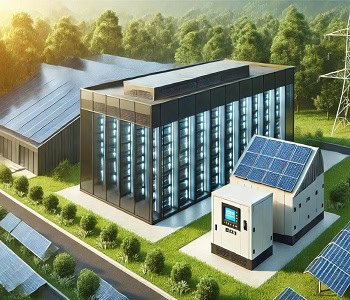
Louis established AnD Cable Products – Intelligently Designed Cable Management in 1989. Prior to this he enjoyed a 20+ year career with a leading global telecommunications company in a variety of senior data management positions. Louis is an enthusiastic inventor who designed, patented and brought to market his innovative Zero U cable management racks and Unitag cable labels, both of which have become industry-leading network cable management products. AnD Cable Products only offer products that are intelligently designed, increase efficiency, are durable and reliable, re-usable, easy to use or reduce equipment costs. He is the principal author of the Cable Management Blog, where you can find network cable management ideas, server rack cabling techniques and rack space saving tips, data center trends, latest innovations and more.
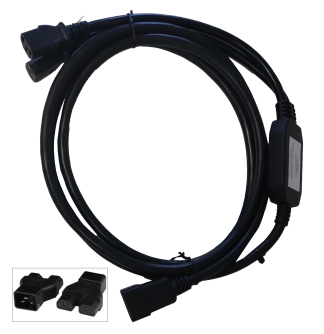
Visit https://andcable.com or shop online at https://andcable.com/shop/